
Wraps & Signage
Car Wrapping in Sydney: Full, Partial and Colour Change Wraps
Car wrapping covers your factory paint with cast vinyl film in a new colour or finish. We wrap whole cars, roofs, bonnets, mirrors and trim in gloss, satin, matte, colour-shift and carbon look, in clean indoor bays at Revesby and Condell Park, with a written quote before we start.

What it is
What car vinyl wrapping gets you
Car wrapping in Sydney means laying a thin cast vinyl film over your car's paint to change its colour or finish. You can wrap the whole car or just the roof, bonnet, mirrors or trim. The look changes completely, the factory paint stays protected underneath, and the film can come off later.
We wrap cars at our two workshops in south-west Sydney, Revesby and Condell Park. Every panel is cleaned, decontaminated and wrapped indoors, away from wind and dust, by fitters who do this every day. Badges and trim come off where that gives a cleaner edge, and every recess is heated so the film stays put.
This page covers what you can wrap, the finishes on offer, how the film goes on, how to care for it, what happens when it comes off, and what decides the cost. If you're still weighing a wrap against a respray, start with our honest comparison of a car wrap and paint.
- Paint checked for chips and repairs before any film goes on
- Wash, decontamination and clay so the film bonds properly
- Badges, handles and trim removed where it gives tucked edges
- Every edge and recess post-heated so the film holds its shape
- Door shuts wrapped on request
- Written aftercare advice when you collect the car
What car wrapping covers: full, partial and accent wraps
A wrap doesn't have to be all or nothing. Most of our wrapping work falls into one of three kinds of job, and plenty of cars combine them. A full colour change might come with a carbon-look roof, or a partial wrap might be paired with a chrome delete.
Full colour change wraps
Every painted panel on the outside of the car is wrapped in one film. The car looks resprayed from the kerb, but the original colour is still there underneath. Door shuts, the inside edges you see when a door is open, can be wrapped as well for a finish that holds up when the doors are open.
Partial wraps and two-tone designs
A contrasting roof, bonnet, boot lid, mirrors or pillars changes how a car reads with far less film and fitting time. Black roofs on light cars, satin bonnets and two-tone splits along a body line are the most common requests.
Stripes, accents and details
Racing stripes, side graphics, mirror caps, spoilers and grille surrounds. These are small jobs, often done in a day, and they're an easy way to try a finish before committing to a full wrap.
| Criterion | Full wrap | Partial wrap | Accents and stripes |
|---|---|---|---|
| What changes | The whole car's colour or finish | One or more panels, often in a contrasting colour | Details: stripes, mirrors, roof, trim |
| Time in the workshop | Usually a few days | Often a day | Often a few hours to a day |
| Paint protected | Every wrapped panel | Only the wrapped panels | Only the wrapped areas |
| Registration check | Ask Service NSW, as the main colour changes | Ask if the main colour looks different | Rarely relevant |
| Good for | A complete new look | A big change with less work | Trying a finish, or a sharper look |
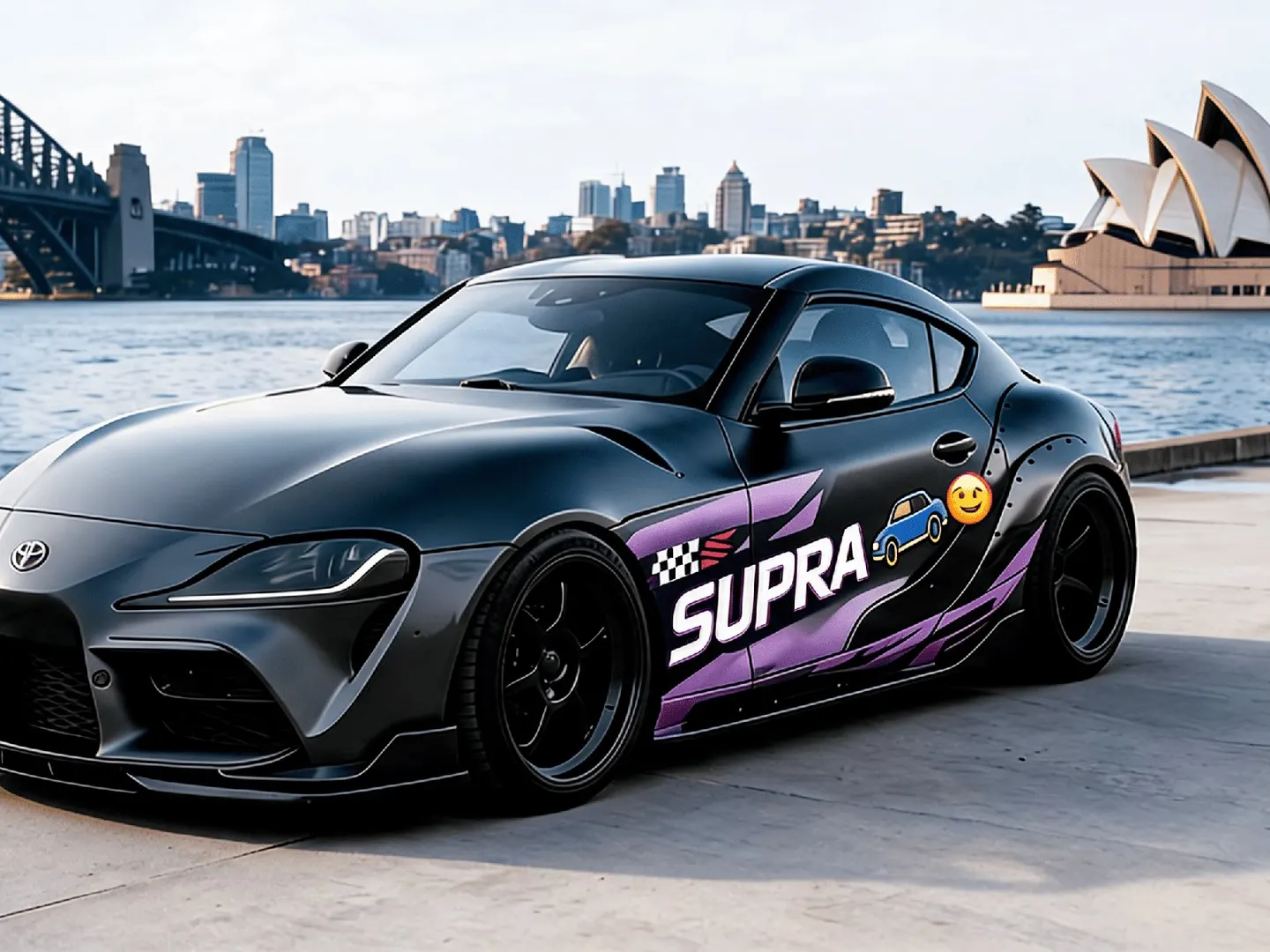
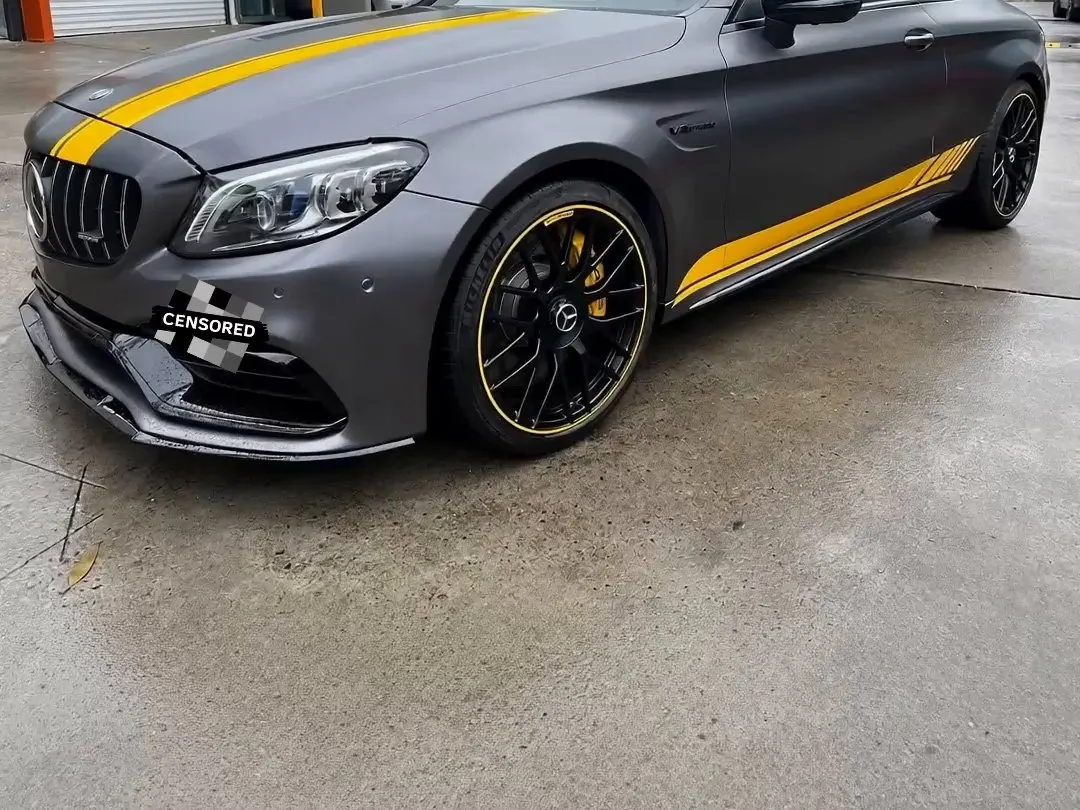
Wrap finishes: gloss, satin, matte, colour-shift and carbon look
The finish matters as much as the colour. Two cars in the same shade of grey can look completely different in gloss and in matte. We show you real film samples against your car, in daylight, before you choose.
| Finish | How it looks | Living with it |
|---|---|---|
| Gloss | Closest to paint, with a deep shine and sharp reflections | Easy to wash; light marks show much like they do on paint |
| Satin | A soft sheen between gloss and matte, modern and understated | Hides dust well; use products made for satin and matte film |
| Matte | Flat, no reflection, very striking on angular cars | Never polish or wax it; marks and oils need prompt removal |
| Colour-shift | Changes colour as you walk around the car or the light moves | Wash like gloss; the effect is hard to match in paint |
| Carbon look | A woven carbon-fibre texture, usually for roofs, bonnets and trim | Textured surface needs a soft brush or mitt to clean |
| Metallic and brushed | Fine metal flake or a brushed-steel grain | Washes like gloss; the grain direction is planned panel by panel |
Choosing a finish you'll still like in a few years
Bold finishes photograph well, but you live with them every day. If you're torn, try the finish on a roof or mirrors first. Darker satin and matte films also show bird droppings and water marks sooner than mid-tone gloss, so think about where the car is parked and how often you'll wash it.
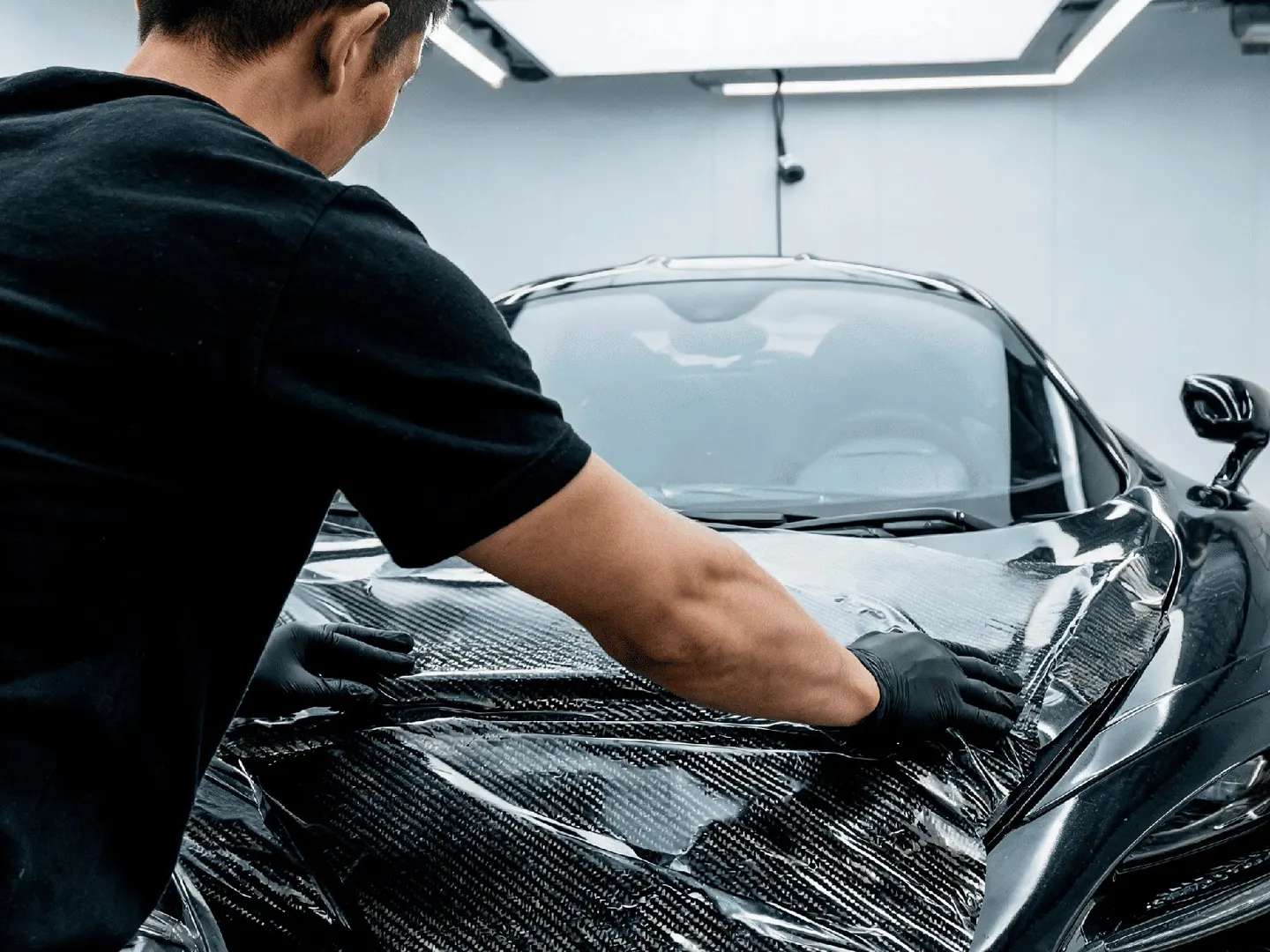
Chrome delete and blackout details
Chrome trim around windows, grilles and badges dates a car quickly. A chrome delete wraps those parts in gloss or satin black, or body colour, so the car looks sleeker and more modern. It's one of the most popular small jobs we do, and it reverses completely if you ever want the chrome back.
Window surrounds and belt mouldings, the strips along the base of the side windows.
Grille surrounds and bars, where the shape allows the film to be laid without strain.
Badges and lettering, either wrapped or removed and refitted in black.
Roof rails, mirror caps and door handles, to finish the blacked-out look.
Light tint, smoked film over headlights or tail-lights, if the result stays legal and safe.
Pair a chrome delete with car window tinting and the whole car reads darker and tidier. We can plan both in one visit.
What a vinyl wrap protects, and what it doesn't
Cast wrap vinyl is weather- and fade-resistant, and it sits between your paint and the world. While it's on, the factory paint underneath is shielded from UV, light scratches, bird droppings, tree sap and road grime. When the wrap comes off, the paint underneath is usually in the condition it was in when it went on.
What vinyl isn't is armour. A stone thrown up on the M5 can still chip through it, and a deep key scratch will go through the film. If chip protection is the main goal, especially on the front of the car, clear or coloured paint protection film is thicker and self-healing, and it's the better product for the job.
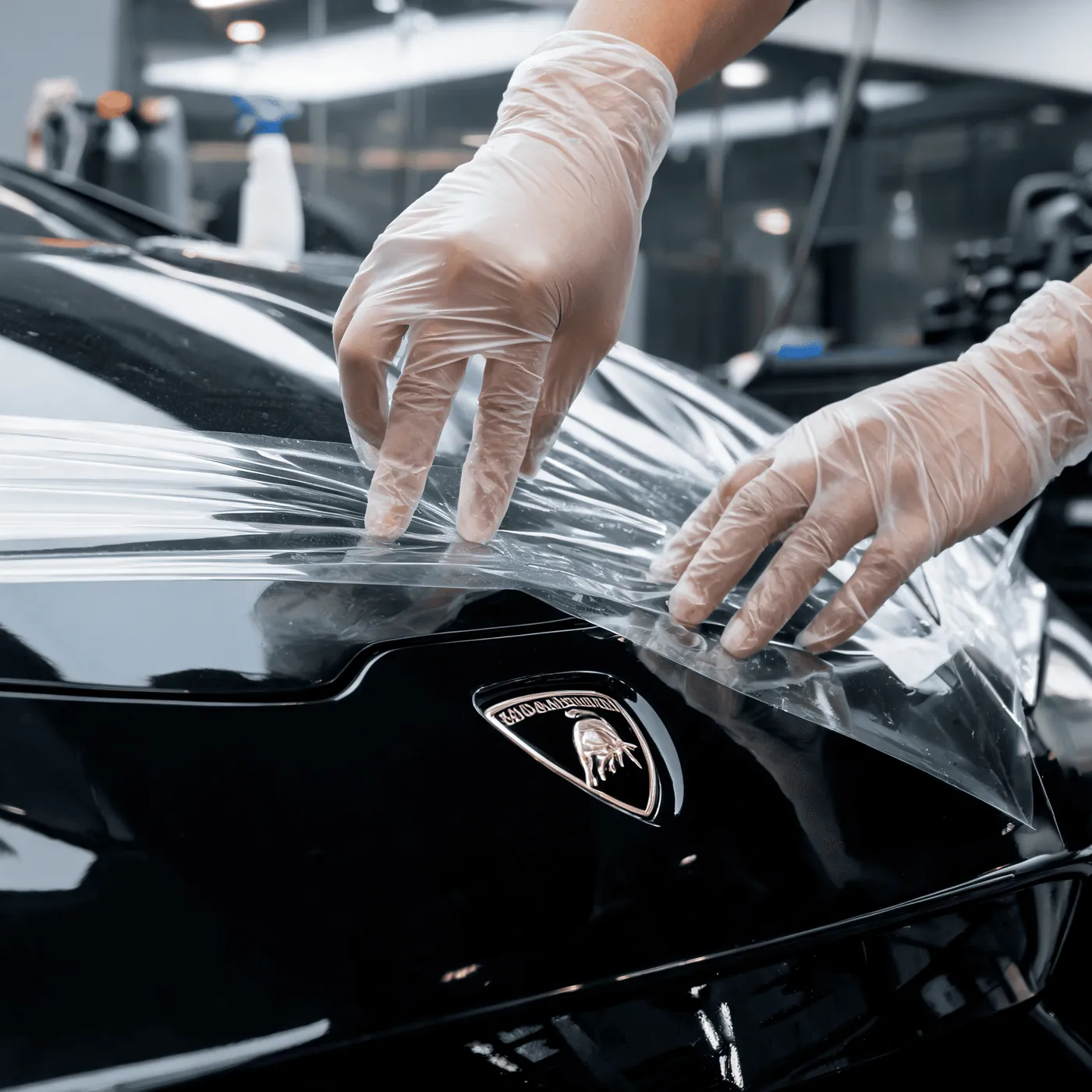
Our service
Paint protection film is a clear, self-healing urethane layer fitted over your paint. It takes the stone chips, grit and scuffs that would mark the panels. We correct the paint, then fit gloss, matte or colour film, from partial front to full body, at Revesby and Condell Park.
How we wrap a car, step by step
A wrap is only as good as the preparation and the edges. This is how a full colour change runs in our workshop. Partial wraps follow the same steps on fewer panels.
Consult, inspect and quote
You choose the colour and finish from real samples. We look over the paint for chips, repairs and clear coat that's failing, agree which panels and edges are included, and put it all in a written quote.
Wash, decontaminate and clay
The car is washed, and bonded iron, tar and sap are removed. A clay treatment leaves the surface smooth so the adhesive grips evenly, then every panel is wiped down to remove oils and residue.
Remove trim where it helps
Badges, handles, lights or mouldings come off where the film can then be tucked behind them. That's how a wrap avoids visible cut lines and lifting edges.
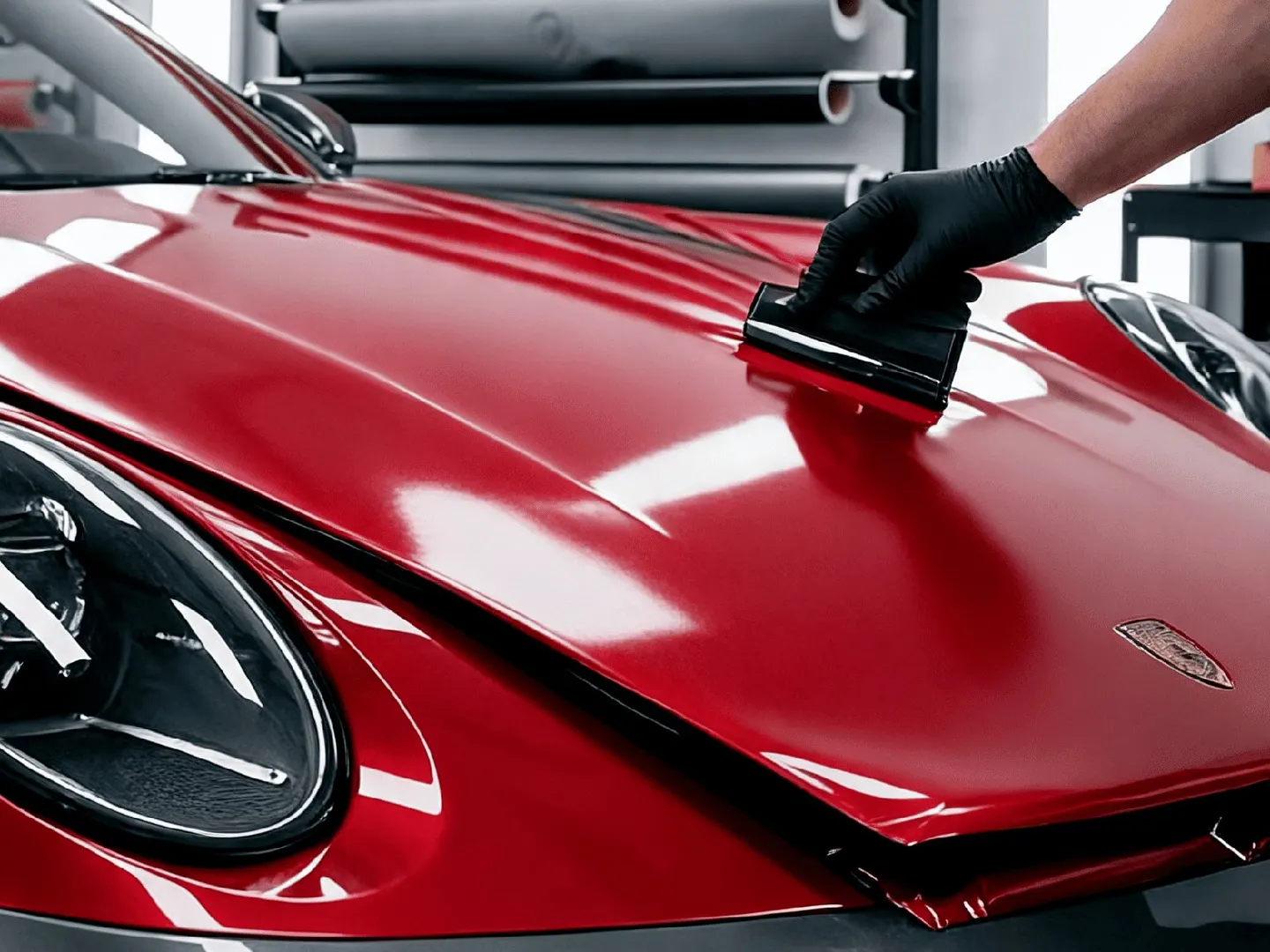
Lay, stretch and squeegee each panel
Film is laid across the panel, positioned, and squeegeed down from the centre out. Heat lets it stretch into curves and recesses without thinning it too far.
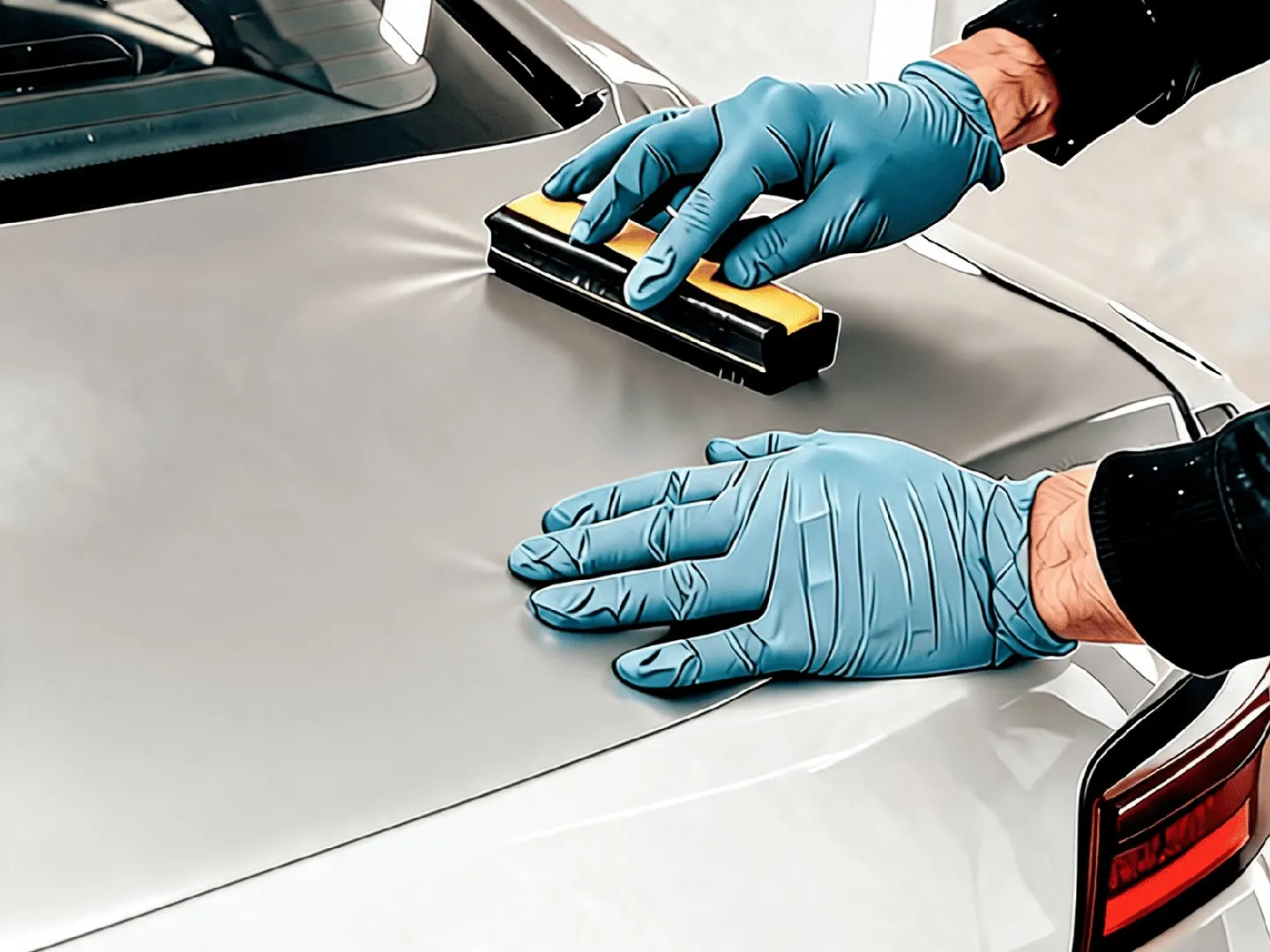
Trim edges and post-heat
Edges are trimmed and wrapped around panel ends. Every recess and stretched area is then heated so the film's memory is reset and it doesn't pull back over time.
Refit, inspect and hand over
Trim goes back on, the car is checked panel by panel under good light, and you get written aftercare advice when you collect it.
A full wrap usually takes a few days in the workshop. A roof, bonnet or chrome delete is often done in a day. We confirm the timing in your quote.
Changing your car's colour: registration and insurance
If a wrap changes the main colour of your car, the details on file with the registry and your insurer may no longer match what's on the road. Rules and processes can change, so get the answer from the source rather than from a forum thread.
Our guide to a car wrap compared with paint has a longer section on what Service NSW says about colour changes. For a partial wrap or accents that leave the main colour unchanged, this usually isn't a question at all.
Caring for a wrapped car
Vinyl lasts longest when it's washed gently and kept out of harsh sun where you can. The roof and bonnet take the most heat, so they're the panels that age first. Parking under cover or in the shade makes a real difference over the life of a wrap.
Hand wash with a pH-neutral shampoo and a soft mitt, and dry with a clean microfibre towel.
Skip brush car washes. The brushes scratch gloss film and can catch lifted edges.
Keep a pressure washer well back from edges and seams, and never aim it straight at an edge.
Remove bird droppings, sap and fuel spills promptly. Left to bake in the sun, they can stain the film.
Never polish matte or satin film, and avoid waxes with fillers. Use products made for those finishes.
Wait a week before the first wash so the adhesive can settle fully.
Taking a wrap off
On healthy factory paint, a quality wrap peels off cleanly with gentle heat, and any adhesive left behind is cleaned away. The paint underneath has been out of the sun the whole time, so it can look fresher than the unwrapped panels around it.
Removal gets harder the longer a wrap is left past its best. Film that has baked for years in direct sun can turn brittle and come off in small pieces. If you plan to sell the car in its original colour, take the wrap off while it's still in good shape. Paint that was resprayed or touched up before wrapping is the main risk, because aftermarket paint may not bond as strongly as factory paint.
After removal, a light paint correction brings back the gloss on any panels that need it, and a ceramic coating keeps the restored paint looking its best.
What drives the cost of a car wrap
Every wrap is quoted for the car in front of us, because no two jobs take the same time or film. These are the things that change a quote the most.
The size and shape of the car. A small hatch uses less film and time than a large SUV, and deep curves, vents and spoilers take longer to wrap well.
How much of the car you wrap. A roof or mirrors is a small job; a full colour change is the biggest.
The film and finish. Gloss and satin colours, colour-shift, carbon look and specialty films aren't all the same price.
Door shuts and inner edges. Wrapping them adds time but makes the colour change look complete when the doors open.
Trim removal. Badges, lights and handles taken off and refitted mean cleaner edges and more hours.
The paint's condition. Chips or failing clear coat may need attention before film can go on.
Send us the make, model and year, the colour and finish you have in mind, and how much of the car you'd like wrapped. We'll reply with a written quote. You can contact us online or call our Revesby workshop.
Why wrap your car with us
We've been fitting film to cars since 2016, and wraps are fitted by the same team that does our tint and paint protection film. Every car is wrapped indoors in clean bays, not in a driveway. You get a written quote up front with no extras added on the day.
Because tint, film, coatings and polishing all happen under one roof, we can plan a wrap with the jobs around it: paint correction first if a panel needs it, car window tinting to match the darker look, and protection film on the nose if chips are a worry. For work vehicles and branded designs, see our vehicle signage service.
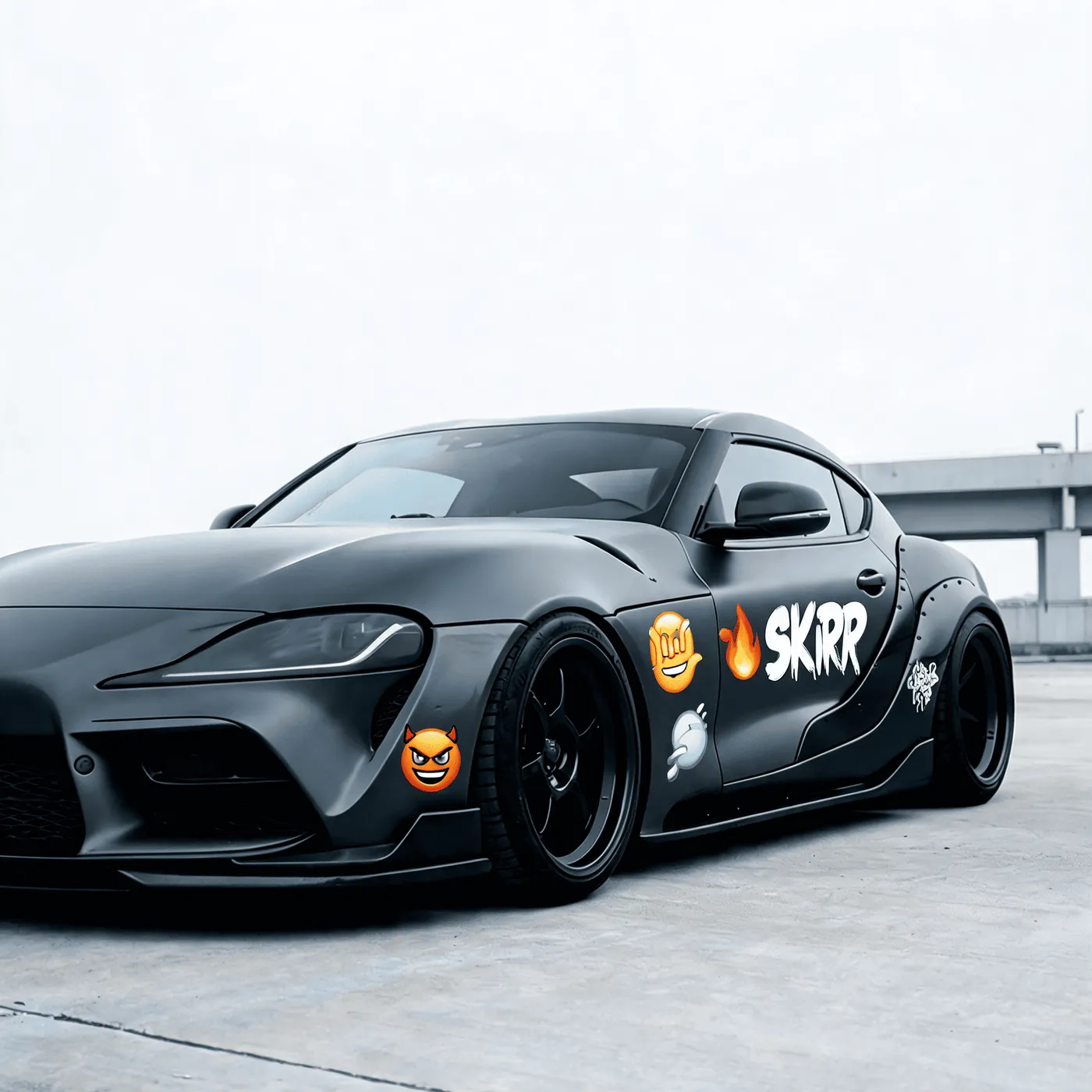
Our service
Vehicle signage puts your business name, number and brand on your vans, utes and cars. We design it, send a proof, then print or cut it and fit it indoors at Revesby and Condell Park, from simple lettering on one ute to matching graphics across a whole fleet.
In their words
What some of our customers say
“I had my BMW vinyl wrapped in Satin Matte Black, callipers wrapped in red, and ceramic window tinting done. Mo was very proactive and helped me choose the best fit for my car. The prices were unbeatable, and I’m extremely happy with the results. Highly recommend!”
Lucky Lky · Satin Black Wrap & Ceramic Tint · on Google “Came to get my windows tinted and chrome delete on my Lexus IS300. They were very professional and offered great prices. Job was done conveniently and I am very satisfied. Will definitely recommend to others.”
Hassan Faiz · Tint & Chrome Delete · on Google
See some of our work: photos of a few cars we’ve finished
Areas we serve
Car Vinyl Wrapping near you
Customers come to whichever of our two workshops is closer. Pick your suburb for the nearest one and local work.
- Vinyl Wrapping in Revesby2212
- Vinyl Wrapping in Bankstown2200
- Vinyl Wrapping in Padstow2211
- Vinyl Wrapping in Panania2213
- Vinyl Wrapping in Milperra2214
- Vinyl Wrapping in East Hills2213
- Vinyl Wrapping in Georges Hall2198
- Vinyl Wrapping in Condell Park2200
- Vinyl Wrapping in Chester Hill2162
- Vinyl Wrapping in Bass Hill2197
- Vinyl Wrapping in Greenacre2190
- Vinyl Wrapping in Liverpool2170
Questions
Car Vinyl Wrapping: common questions
How long does a car wrap last in Sydney?
Years, with good care and quality cast film. The roof and bonnet age first because they take the most sun, while doors and sides last longer. Parking under cover and hand washing with a pH-neutral shampoo get the most life out of a wrap.
Can I wrap a leased or financed car?
Usually, yes, because the wrap can come off before the car goes back. Check your lease or finance terms first, since some agreements say how the car must be returned. Removing the wrap before the term ends leaves the factory paint as it was.
Will a wrap cover up stone chips and scratches?
No. Vinyl follows the surface under it, so chips and scratches still show through, and loose paint can lift when the wrap comes off. Damaged areas should be repaired before wrapping.
Can I take a wrapped car through an automatic car wash?
Avoid brush car washes. The brushes scratch the film and can catch an edge. A touchless wash is gentler, but a hand wash with a soft mitt is still the safest way to keep a wrap looking new.
Can you wrap just the roof or the bonnet?
Yes. Roofs, bonnets, mirrors, spoilers and pillars are all common partial wraps. They're often done in a day and are a good way to try a finish before wrapping the whole car.
Do you wrap the door jambs?
On request, yes. Wrapping the door shuts means the original colour doesn't show when a door opens. It adds time and film, so tell us when you ask for a quote.
Can a scratched or torn wrap panel be fixed?
Yes. One damaged panel can be re-wrapped on its own in the same film, without touching the rest of the car. Keep a record of the colour and finish so it can be matched.
Can you wrap over a respray?
Sometimes, but it's riskier than wrapping factory paint. Aftermarket paint may not bond as strongly, so it can lift when the wrap comes off later. We check resprayed panels before we quote and tell you what to expect.
Will a wrap fade in the Australian sun?
Quality cast film is made to resist UV and fading, but no film lasts forever in strong sun. The horizontal panels show it first. Shade, gentle washing and prompt cleaning of droppings and sap slow it down.
Guides
Read before you book
Plain-English guides on car vinyl wrapping, from the people who fit it.
Comparison · Wraps & Signage
Car wrap vs paint: which is the better way to change your car's colour?
A wrap is removable and protects the paint under it, a respray is permanent and lasts longer, and the right choice depends on how long you want the new look.
· 14 min read
Visit us
Two workshops, one team
Tinting Xperts Revesby
Unit 28/172 Milperra Road, Revesby NSW 2212
Mon – Sat · 9:00am – 5:00pm
Tinting Xperts Condell Park
141 Eldridge Road, Condell Park NSW 2200
Mon – Sat · 9:00am – 5:00pm
Reviewed by Mohammad Habboushi, Founder.