
Window Tinting
Car Window Tinting in Sydney, Fitted In-House
We tint cars at two workshops in south-west Sydney. You choose from three ceramic film grades, we check every shade against the NSW limits on your glass, and most cars are done in two to four hours with a lifetime warranty on the tint.

What it is
What car window tinting gets you
Car window tinting in Sydney is a film fitted to the inside of your windows that cuts heat, glare and UV and adds privacy. At Tinting Xperts we fit three grades of ceramic film, cut by plotter to your exact car and set to shades that pass in NSW. Most cars are done in two to four hours.
We've been tinting cars since 2016, and our 30+ fitters work from two workshops, in Revesby and Condell Park. Every job starts with your car rather than a film chart. We look at the glass, talk through what's bothering you, and put a written quote in your hand before any film is cut.
This page is the full picture: what tint actually does, the three films we fit, how to choose a shade for each window, what happens in the bay, how to look after new film, and what moves the cost up or down.
- A written quote for your make and model before anything is cut
- Shade checked against the NSW limits on your own glass
- Film plotter-cut to your car, with no blade on the glass or rubbers
- Old tint stripped and the glue cleaned off, where needed
- Fitted in a clean indoor bay at Revesby or Condell Park
- Lifetime warranty against bubbling, peeling and purpling
- Aftercare notes sent to you, and a check-in a week later
What window tint does for you and your car
Tint gets bought for the look, but it earns its keep on a hot afternoon. A car parked in the sun turns into an oven because sunlight passes through the glass and heats everything inside. A good film stops a large share of that energy at the window, before it reaches the seats and the dash.
Less heat in the cabin. Ceramic film rejects infrared, the part of sunlight you feel as warmth on your skin. The car heats up more slowly and the air conditioning catches up sooner.
UV kept off you and the interior. Side glass lets through more ultraviolet than most people expect. Film blocks almost all of it, which protects your arms and face and slows fading and cracking on the dash and seats.
Less glare. Low sun in the morning and late afternoon, wet roads and bright headlights are all easier on the eyes.
Privacy. Bags, laptops and tools on the back seat are harder to see from the footpath.
A tidier look. Even, edge-to-edge film makes a car look finished, and it hides worn interior trim from outside.
Here's what our ceramic film typically does at 35% VLT, the shade we fit most often on front side windows:
| Measure | Typical figure | What it means for you |
|---|---|---|
| UV blocked | 99% | The rays that fade trim and age skin are stopped at the glass |
| Heat rejected | 58% | The cabin warms up more slowly on a sunny day |
| Glare cut | 52% | Easier on the eyes into a low western sun |
| Signal interference | 0% | No metal in the film, so phone and GPS work as normal |
The three car window tinting films we fit
We don't stock cheap dyed film, and we don't fit metallised film that can upset phone and GPS signal. Every grade we fit is ceramic-based, has no metal, carries a scratch-resistant hardcoat and won't turn purple. The difference between them is how much infrared heat they stop, and how they look.
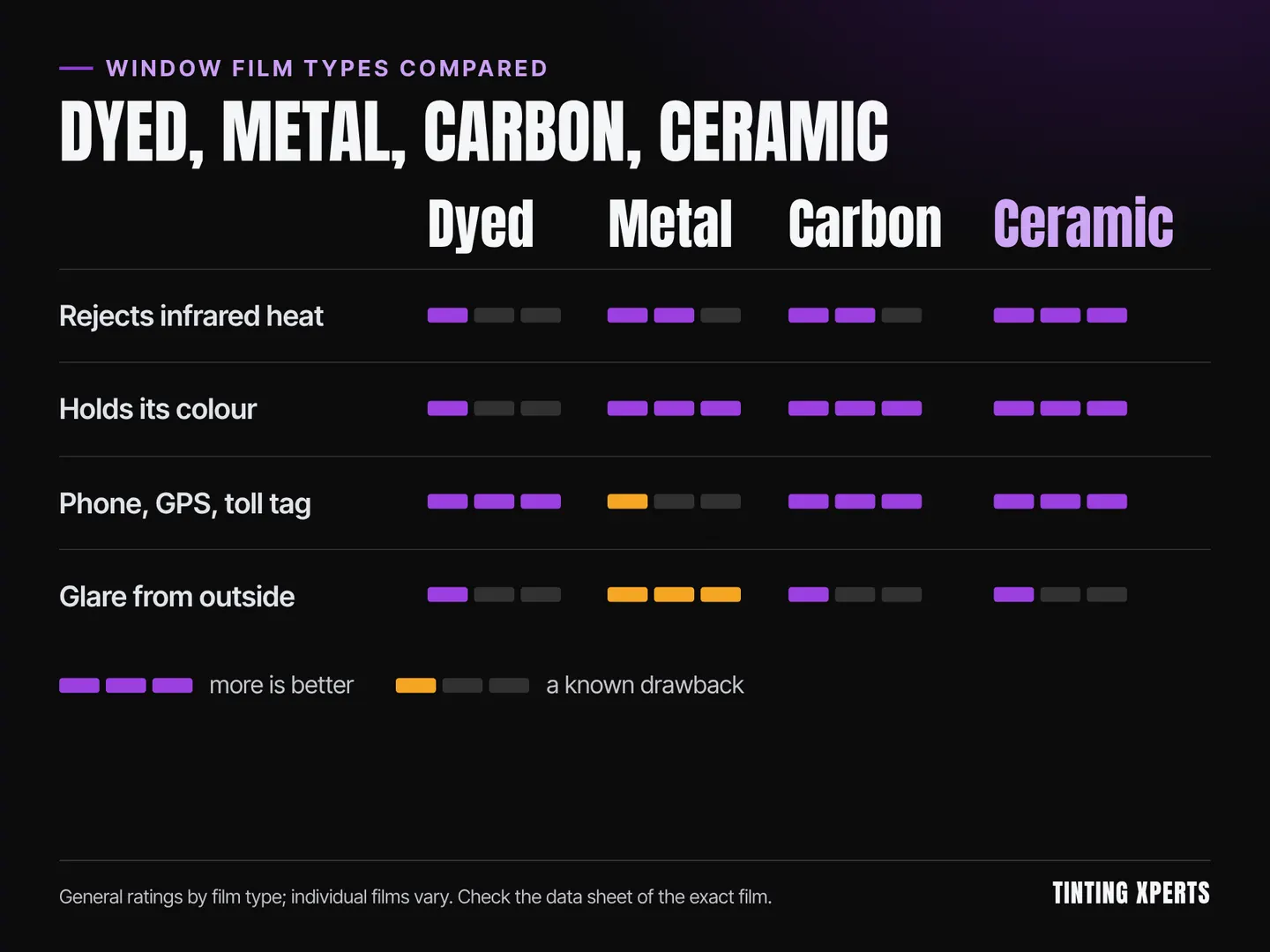
| Grade | Infrared rejected | Look from outside | Choose it if |
|---|---|---|---|
| Carbon ceramic (IR50) | Around 50% | Deep, matte, non-reflective | You want the dark, even look and good value |
| Ceramic (IR70) | Around 70% | Neutral and clean | Heat is the main reason you're tinting |
| Nano ceramic (IR92) | Up to 92% | Very clear, even at light shades | You want the most heat stopped, or a lighter shade that still works hard |
Carbon ceramic (IR50)
The entry point of the range, and still a big step up from no tint. Carbon gives a rich matte black that never fades, and the ceramic content adds real heat rejection. Read more about carbon ceramic window tint.
Ceramic (IR70)
The film most of our customers end up choosing. It stops a lot more infrared than carbon ceramic, keeps a neutral tone and leaves every signal alone. Our ceramic window tinting page covers it in detail.
Nano ceramic (IR92)
Our top grade. Extremely fine ceramic particles give the clearest view and the most heat rejection, even at a light shade. See nano ceramic window tint for who it's worth it for.
If you're weighing up a carbon film against a ceramic one, our guide on ceramic vs carbon tint sets the two side by side.
Choosing a shade for each window
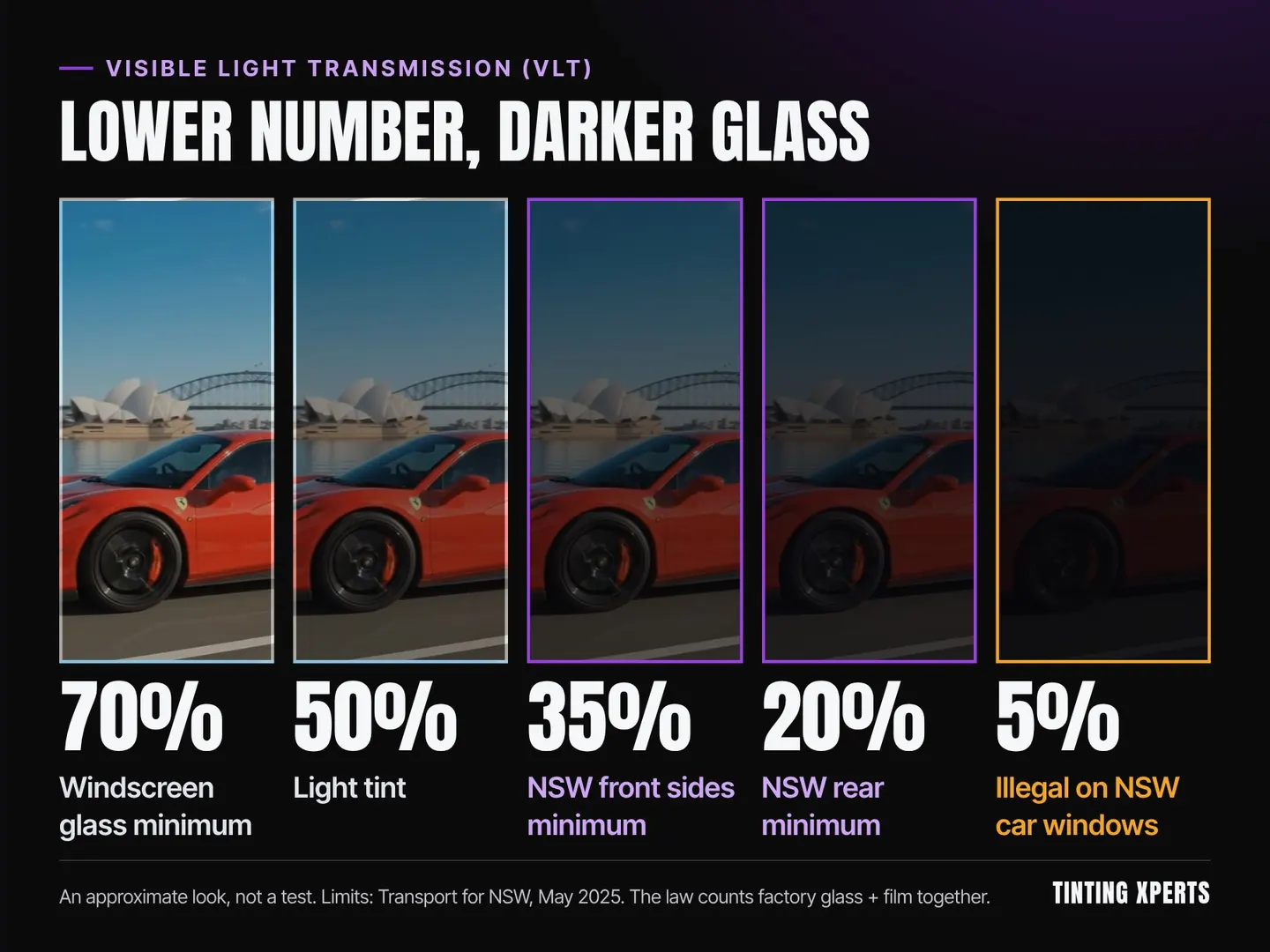
Film grade decides how much heat you stop. Shade decides how dark the glass looks and how much you can see out at night. You don't have to use one shade all round, and most people don't.
In NSW the front side windows must let through at least 35% of light, and the windows behind the driver at least 20% when the car has a mirror on each side. The windscreen can only take a strip across the top. The limit counts the glass and film together, which is why we measure your glass first. The legal table further down this page shows every window.
Front doors
These are the windows you look through at mirrors, kerbs and pedestrians. Most drivers go to the legal limit. If you do a lot of night driving or wear glasses, a slightly lighter shade in a higher grade keeps the view crisp without giving up much heat rejection.
Back doors and the rear screen
This is where privacy lives. Families often go to the rear limit so children in car seats sit out of direct sun. Before going darker, think about reversing at night: a very dark rear screen makes the mirror harder to use, even with a camera.
Cars with factory privacy glass
Many SUVs and wagons leave the factory with dark rear glass. Because the law counts glass and film together, those windows may only need a light film, or none, to match the front. We meter each one and tell you what's possible.
For a visual of how each shade looks from inside and out, read our guide to window tint percentages. For every rule, including older cars and work vehicles, see our guide to NSW window tint laws.
Car window tinting in our bay: drop-off to pick-up
You'll see our four-step summary lower on the page. Here is what happens to your car in between, so you know why the job takes the time it does.
Check the glass
We look over every window for chips, old film, failing glue and damaged demister lines, and meter the factory glass. If something will affect the result, you hear about it before we start.
Cut the film by plotter
Film is cut by machine from a pattern for your make and model. The edges match the glass and sit right up to the seals, and no blade ever touches your glass or rubbers.
Deep-clean and fit
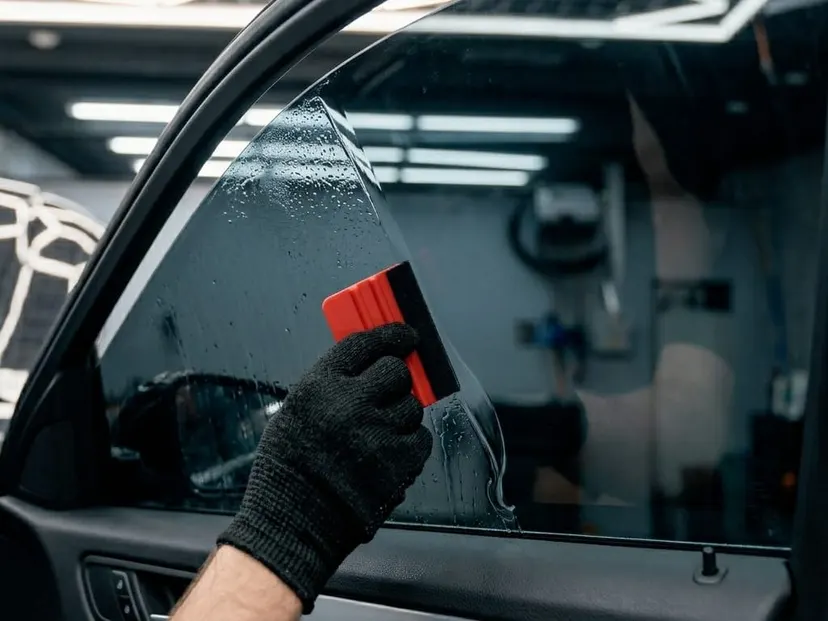
Glass is cleaned inside and out in a clean indoor bay, because a speck of dust under film stays there. The film goes on the inside face of the glass and is squeegeed out from the centre.
Shape the rear screen
Rear screens curve in two directions, so the film is heat-formed to the glass before it's fitted. That's what lets it lie flat with no fingers or creases at the edges.
Inspect and hand back
Every window is checked in good light before you collect the car. We go through aftercare with you, send the notes afterwards, and check in a week later.
Removing old or purple tint
Old dyed film that has bubbled or turned purple has to come off first. We peel it, then take the glue off the glass. On the rear screen we work around the demister lines so they keep working. Removal adds time, so tell us about old tint when you book.
Why we don't tint in driveways
Mobile tinting sounds handy, but wind, dust and direct sun are the main causes of specks, lifting edges and contamination under film. Every car we tint is done indoors, in a bay kept clean for film work.
Looking after new tint
Fresh film sits on a thin layer of water that takes a while to dry out. Until it does, the film can shift if the window moves. Look after it for the first week and it will look the same years from now.
Keep the windows up for two days. Leave them up longer if the weather is cold or wet, because the film cures more slowly.
Leave the haze alone. Small water pockets or a slight milky look in the first days are normal and dry out on their own. Don't press them out.
Leave the inside of the glass alone until the haze has gone. Then clean it with a soft microfibre cloth and plain water or an ammonia-free glass cleaner.
Mind the edges. Don't pick at a corner, and avoid suction mounts and stickers on tinted glass.
Watch seatbelt buckles. A buckle that swings into the glass every time it retracts will mark any film over the years.
Want the day-by-day version? Our guide on how long window tint takes to cure goes through it.
What decides the cost of car window tinting
We don't publish a price list for tint, because two cars that look similar can be very different jobs. Instead, we quote your make and model in writing. These are the things that move the number:
How many windows. A two-door coupe and a seven-seat SUV with quarter glass are different amounts of film and time.
The shape of the glass. Steeply curved rear screens and big wraparound windows take longer to heat-form and fit.
The film grade. Carbon ceramic, ceramic and nano ceramic are priced differently because they're different films.
Old tint removal. Stripping film and glue, especially from a rear screen with demister lines, adds labour.
Extras. A windscreen strip or the extra windows on a van are quoted on top.
The quote is fixed once it's written. There's no charge for it, and nothing gets added on the day. We take cash, credit and debit cards, AMEX and Afterpay at both workshops. Ask for a written quote with your make, model and the grade you're leaning towards.
How long tint lasts, and the warranty behind it
Cheap dyed film fades, bubbles and turns purple because its dyes break down in the sun. The films we fit don't rely on dye for their colour, so that failure doesn't happen to them. The hardcoat on the inside face also stands up to everyday cleaning and the odd brush from a bag or a seatbelt.
That's why we put a lifetime warranty on window tint. If our film bubbles, peels or turns purple, we redo it. The warranty is in writing and comes with your invoice.
Signs your current tint is due for replacement
A purple or brown cast instead of a neutral grey
Bubbles or blisters, especially on the rear screen
Edges lifting or peeling back from the seals
A hazy or distorted view that makes night driving harder
Why Sydney drivers book their tint with us
Tinting Xperts started in 2016 with one bay and a simple rule: if it isn't right, it doesn't leave. Founder Mohammad Habboushi still fits cars on the floor most days, alongside a team of 30+ fitters. Most of our work comes from repeat customers and people they've sent our way.
We're open Monday to Saturday at our Revesby workshop on Milperra Road and our Condell Park workshop on Eldridge Road. Drivers come from Bankstown, Padstow, Panania, Milperra, Yagoona, Greenacre, Liverpool and right across Sydney. Drop the car in the morning and most of the time you'll drive it home the same day.
Because tint, paint protection and coatings are all done under one roof, many customers book them together. A new car often gets tint and film on the front at the same visit, on one invoice.
Our service
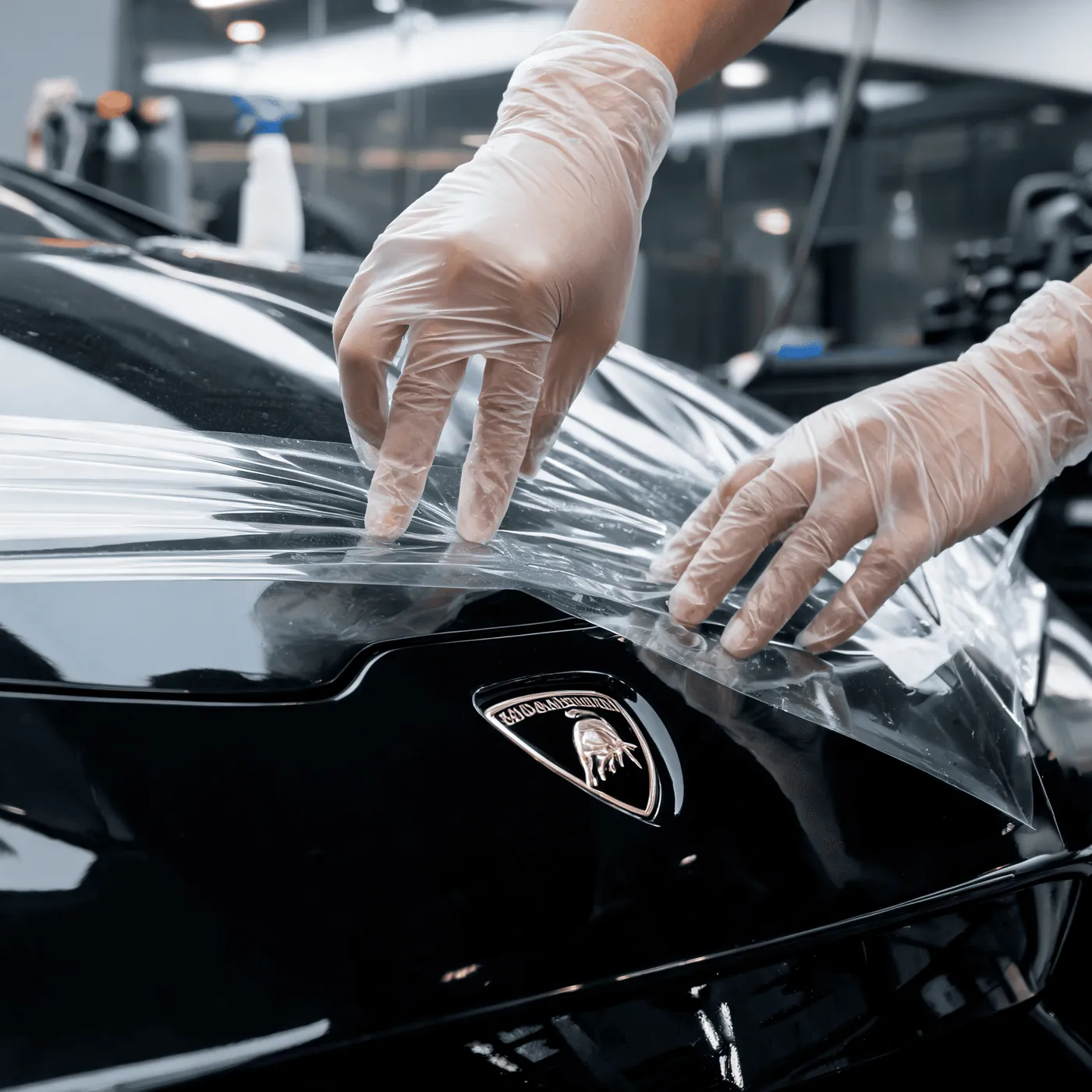
Paint protection film is a clear, self-healing urethane layer fitted over your paint. It takes the stone chips, grit and scuffs that would mark the panels. We correct the paint, then fit gloss, matte or colour film, from partial front to full body, at Revesby and Condell Park.
The law
How dark you can go in NSW
We check the shade on your car against these limits before anything is cut.
| Window | Minimum light through (VLT) |
|---|---|
| Front side windows | 35% |
| Rear side and rear windows | 20% |
| Windscreen | A strip across the top only |
Source: Transport for NSW: How do I know my windows and window tint are legal in NSW?. Some vehicles, such as those with medical exemptions, have different rules.
On the day
How the job is done
- 01
Tell us the car
Make, model and what's bothering you — heat, glare, privacy, or all three. Two minutes, no obligation.
- 02
Pick your shade
We walk you through legal limits and show you the film on your own glass before anything is cut.
- 03
We install
Computer-cut patterns, fitted in a dust-controlled bay. Most cars are done in two to four hours.
- 04
Cure and go
Leave the windows up for two days while the film cures. Then it's yours, warranty and all.
In their words
What some of our customers say
“Family run business. Competitively priced whilst still using well known brands like Black Armour in their tints. Would tint with the again!”
Joey Diaz · Window Tinting · on Google “Had my windows tinted by Mo at Tinting Experts and couldn’t be happier. Professional service, great attention to detail, and the finish looks fantastic. Highly recommend.”
Stephen Tonkes · Window Tinting · on Google “Had a good experience at Tinting Xperts! I got an appointment within a week, and they tinted my car windows in about an hour. The service was efficient, and the pricing was reasonable. Definitely recommend!”
Authenticastic · Window Tinting · on Google “Highly recommend! Great customer service and easy to deal with. Tinted the windows on my Hilux and couldn’t be happier with how it looks.”
Madian Malas · Window Tinting · on Google “Excellent, fast service that was very reasonably priced. The removal was done perfectly and the new tint makes a huge difference in terms of looks and heat reduction. Thank you!”
Rhys Herden · Tint Removal & New Tint · on Google “Perfect job, I got my car tinted by Mo 35% at the front and I’m very happy with the result. He was very professional and efficient, just a flawless finish. My car definitely looks much better and not only that, the tint is high quality. I definitely recommend”
Ken Ngo · Window Tinting · on Google
See some of our work: photos of a few cars we’ve finished
Areas we serve
Car Window Tinting near you
Customers come to whichever of our two workshops is closer. Pick your suburb for the nearest one and local work.
- Window Tinting in Revesby2212
- Window Tinting in Bankstown2200
- Window Tinting in Padstow2211
- Window Tinting in Panania2213
- Window Tinting in Milperra2214
- Window Tinting in East Hills2213
- Window Tinting in Georges Hall2198
- Window Tinting in Condell Park2200
- Window Tinting in Chester Hill2162
- Window Tinting in Bass Hill2197
- Window Tinting in Greenacre2190
- Window Tinting in Liverpool2170
Questions
Car Window Tinting: common questions
How long does it take to tint a car?
Most cars take two to four hours, so you can drop the car in the morning and collect it the same day. Large SUVs, vans and cars that need old tint removed first can take longer. We confirm the time when you book.
How dark can I legally tint my car in NSW?
Front side windows must let through at least 35% of light. Windows behind the driver can go to 20% when the car has a mirror on each side. The windscreen can only have a strip across the top, and the limit counts the glass and film together.
Do you do mobile window tinting?
No. Every car is tinted inside one of our clean indoor bays at Revesby or Condell Park. Dust, wind and direct sun are what cause specks and lifting edges, so we keep them out of the job.
Which window tint is best for heat?
Nano ceramic (IR92) stops the most infrared heat of the films we fit, up to 92%. Ceramic (IR70) rejects around 70% and carbon ceramic (IR50) around 50%. All three block almost all UV.
Can I wind my windows down after tinting?
Keep them up for two days, and longer in cold or wet weather. The film is still drying onto the glass, and lowering the window can push an edge up. After that you can use them as normal.
Is it normal for new tint to look hazy or have bubbles?
Yes, for the first days. Small water pockets and a slightly milky look are moisture drying out from under the film, and they clear on their own. If anything is still there after a few weeks, bring the car back and we'll look at it.
Do you tint utes, vans and four-wheel drives?
Yes. We tint passenger cars, SUVs, utes, vans and four-wheel drives. Some work vehicles have different rules behind the driver, and we explain them when you book.
Will window tint affect my phone, GPS or toll tag?
Not with the films we fit. All three grades are ceramic-based with no metal layer, so phone, GPS, keyless entry and toll-tag signals pass through normally.
How much does car window tinting cost?
It depends on the number and shape of the windows, the film grade and whether old tint has to come off. We give you a fixed written quote for your make and model, free, before any work starts. Nothing gets added on the day.
Guides
Read before you book
Plain-English guides on car window tinting, from the people who fit it.
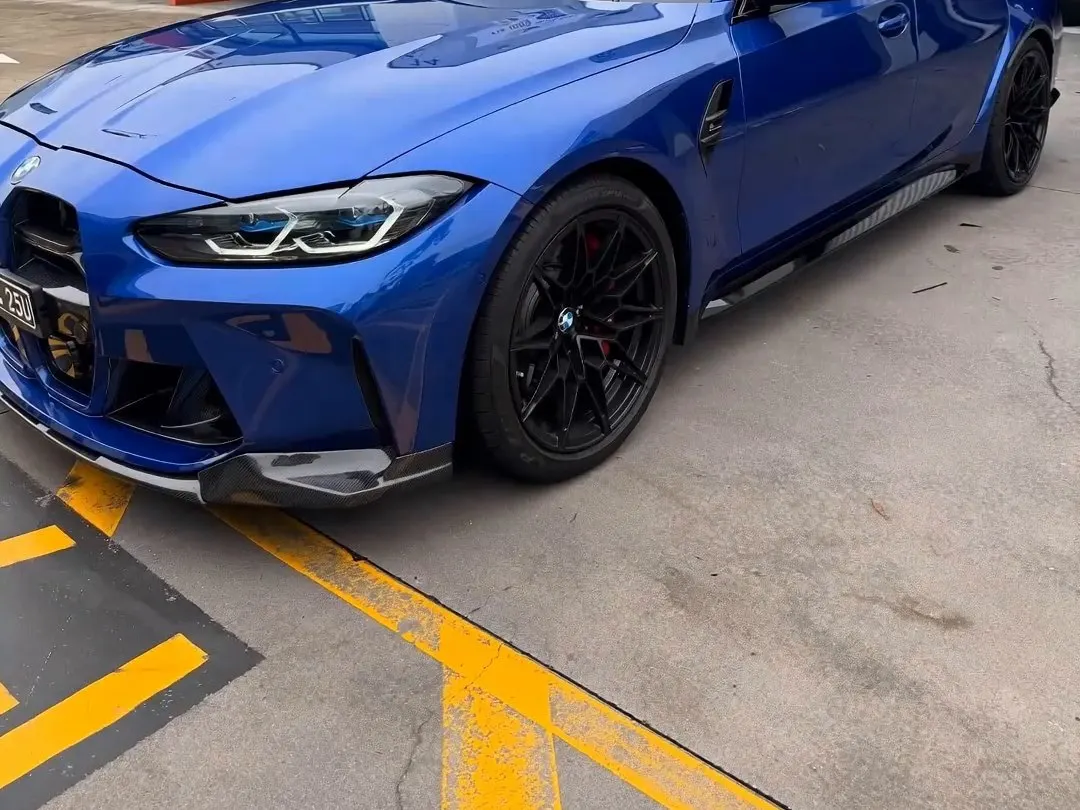
Law explainer · NSW Tint Law
NSW window tint laws: the legal limit for every window, explained
How dark you can go on each window in NSW, how the limit is measured, and what happens at a pink slip if your tint is too dark.
· 11 min read
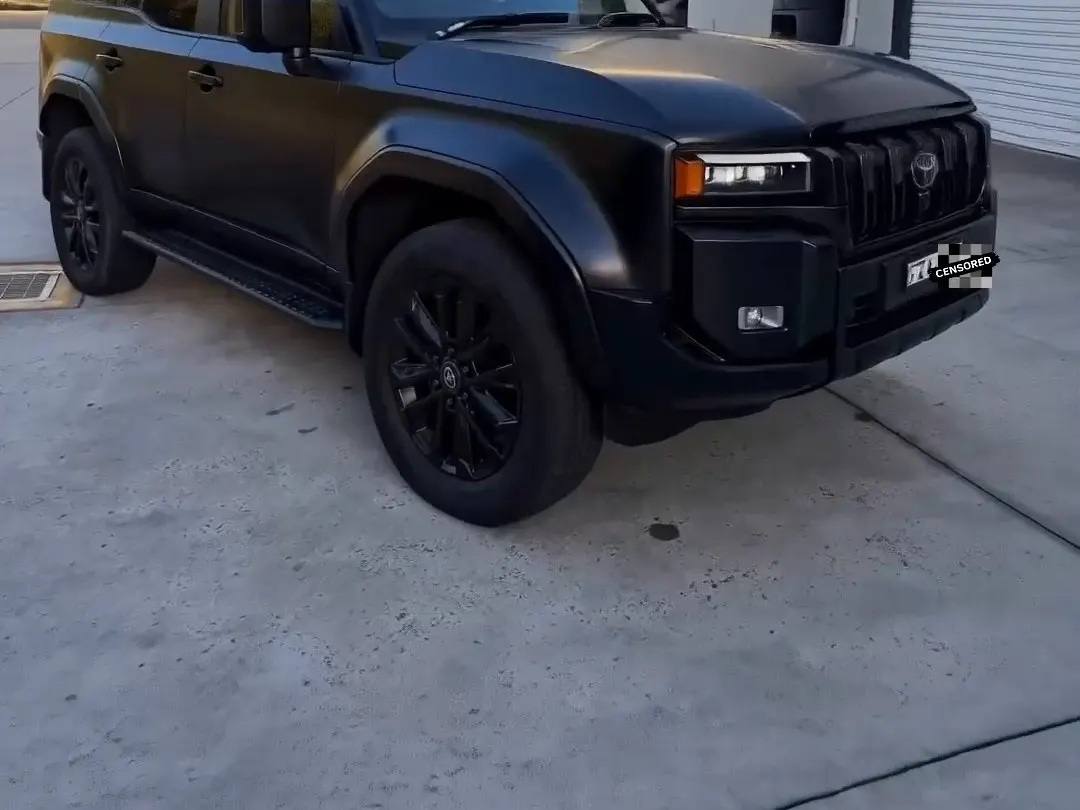
Comparison · Window Tinting
Ceramic vs carbon tint: which window film keeps your car cooler?
Both films block UV, hold their colour and leave your phone signal alone, so the real difference is how much heat each one stops at a legal shade.
· 12 min read
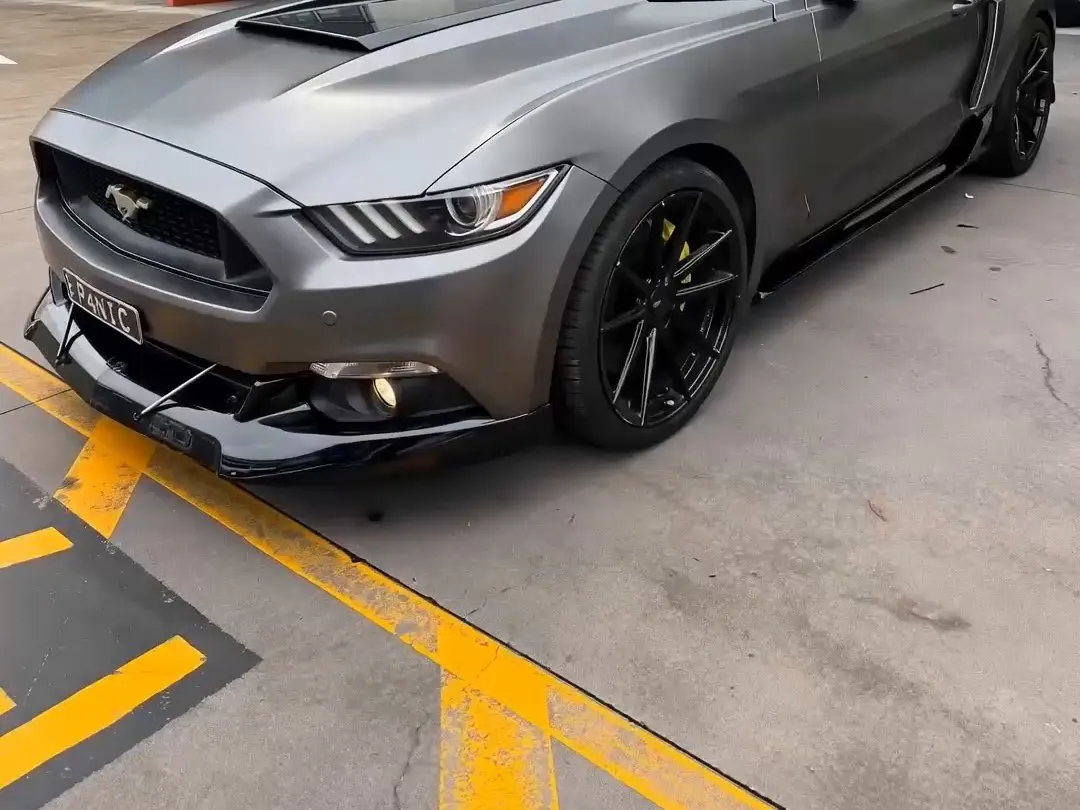
Guide · Window Tinting
Window tint percentages: what 5%, 20%, 35%, 50% and 70% really look like
What each tint shade looks like by day and at night, which combinations are legal in NSW, and why darkness and heat rejection are two different things.
· 10 min read


Visit us
Two workshops, one team
Tinting Xperts Revesby
Unit 28/172 Milperra Road, Revesby NSW 2212
Mon – Sat · 9:00am – 5:00pm
Tinting Xperts Condell Park
141 Eldridge Road, Condell Park NSW 2200
Mon – Sat · 9:00am – 5:00pm
Reviewed by Mohammad Habboushi, Founder.