
Window Tinting
Nano Ceramic Window Tint, Our Top Grade (IR92)
Nano ceramic (IR92) is the best film we fit. It rejects up to 92% of infrared heat and stays exceptionally clear, so even a light, legal shade keeps the cabin cool. It has no metal, blocks almost all UV and is fitted in-house at Revesby and Condell Park.

What it is
What nano ceramic window tinting gets you
Nano ceramic window tint is a ceramic film made with extremely fine particles, which keeps it very clear while it blocks heat. Our nano ceramic grade, IR92, rejects up to 92% of infrared heat, the most of any film we fit. It works hard even at a light shade, blocks almost all UV and contains no metal.
It's the film for drivers who want the coolest cabin they can legally get, or who'd rather keep their windows light and still feel a real difference. A lot of new and premium cars leave our bays wearing it.
This page explains what the nano part changes, how it performs at NSW-legal shades, how it sits against our other two grades, and when it's worth paying for the top film. It also covers fitting, care and what goes into your quote.
- A written quote for your car, with IR92 nano ceramic named on it
- Each factory window metered before a shade is chosen
- Light and dark IR92 samples shown on your own glass
- Film plotter-cut to your make and model
- Fitting in a clean indoor bay, rear screen heat-formed to shape
- Lifetime warranty against bubbling, peeling and purpling
- Written aftercare notes and a follow-up message a week later
What "nano" changes in a ceramic film
All ceramic films work the same basic way: particles in the film absorb and reject infrared while letting visible light through. The difference in a nano ceramic film is the size of those particles. They're ground so fine that they barely scatter light at all.
Smaller particles mean two things you can see and feel. The view through the glass is sharper, with less of the faint haze some films add. And the film can carry plenty of heat-rejecting material without having to be dark.
Clarity you notice after dark
Haze in a film is hardest to spot on a sunny afternoon and easiest to spot at night. Headlights, street lights and wet roads all show up any softness in the glass. Nano ceramic stays crisp, which is why drivers who spend a lot of time on the road early or late tend to choose it for the front doors.
Why a light shade can still stop the heat
Shade and heat rejection are separate in a nano ceramic film. Darkness comes from how much visible light the film lets through. Heat rejection comes from the ceramic, which targets infrared you can't see. So a light IR92 film can still keep a lot of warmth off your arm, your seats and your dash.
UV protection at every shade
Ultraviolet is a separate problem from heat. You can't feel it, but it's what ages skin and cracks a dashboard over time. Side glass lets more of it through than most people expect, which is why a driver's right arm often shows more sun damage than the left.
IR92 blocks almost all UV whether you choose a light shade or a dark one. That makes it a good fit for anyone who wants the protection without the darker look. It only works with the windows up, so keep the sunscreen handy on long drives with the glass down.
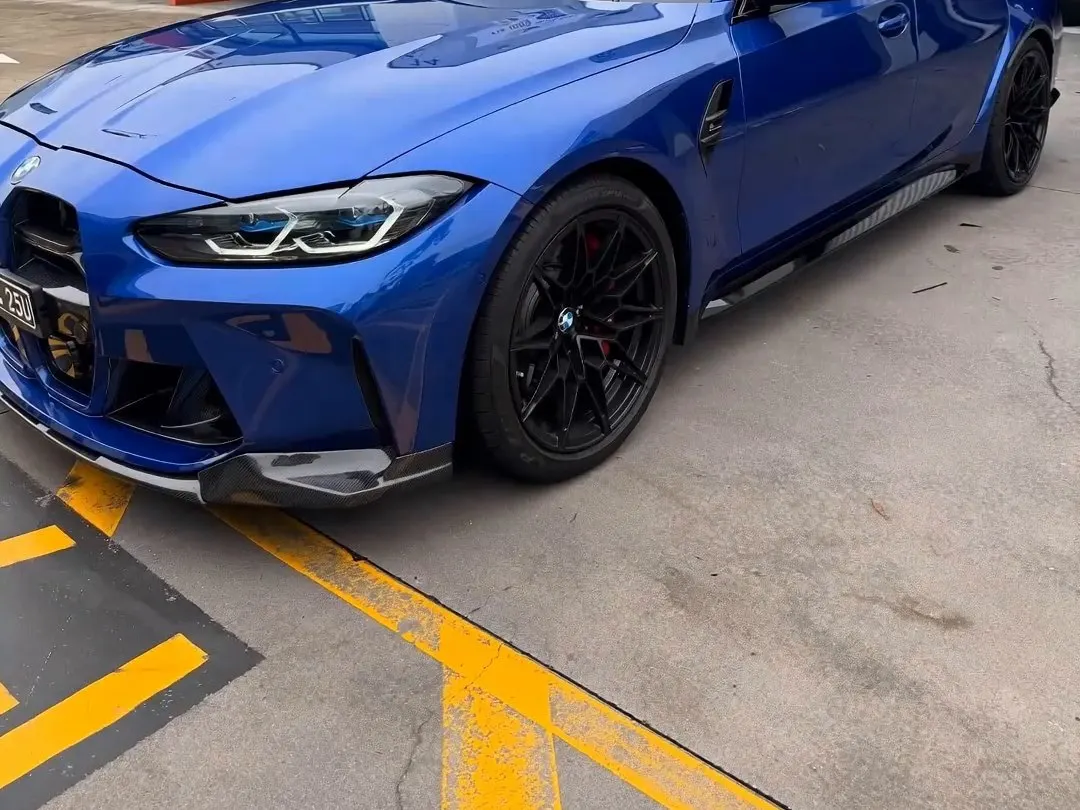
Nano ceramic window tint at legal NSW shades
Here's where IR92 earns its place. In NSW the front side windows must let through at least 35% of light, and the windows behind the driver at least 20% when there's a mirror on each side. The windscreen only takes a strip across the top. You can't go darker to beat the heat, so the film has to do the work.
Because the limit counts glass and film together, we meter every factory window before you choose. The legal table further down this page sets out each window, and our guide to NSW window tint laws covers older cars and work vehicles.
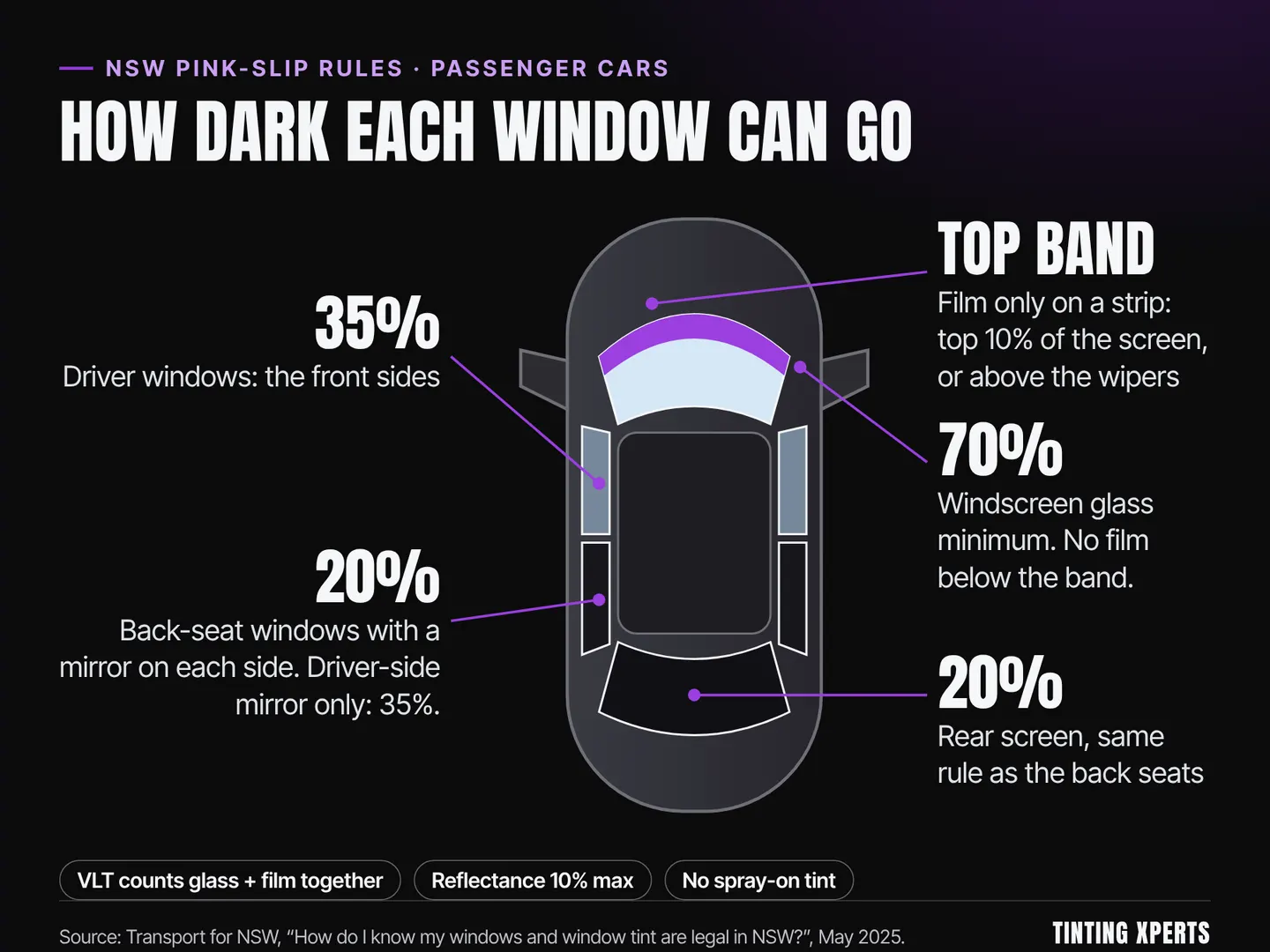
Going lighter than the limit
Some drivers want the cool without the dark look, or need a clear view for night work. With IR92 you can sit above the legal minimum at the front and keep most of the heat benefit. Ask us to show you a lighter sample next to a 35% one on your own door.
Not sure what each number looks like in real life? Our guide to window tint percentages shows them side by side.
Where IR92 sits among our three grades
We fit three ceramic-based films, and none of them has metal or dye. Rather than repeat the specs, here's how we usually match a grade to a driver. Treat it as a starting point; we'll look at your car and how you use it.
| If this sounds like you | Grade we'd usually suggest | Why |
|---|---|---|
| You want a deep, even black look and good value | Carbon ceramic (IR50) | Rich matte finish, around 50% of infrared rejected |
| Your car bakes in a car park all day | Ceramic (IR70) or nano ceramic (IR92) | Both stop most of the infrared; IR92 stops the most |
| You drive a lot at night or wear glasses | Nano ceramic (IR92) | The clearest view of the three, even at a light shade |
| You want windows that stay light but cool | Nano ceramic (IR92) | Up to 92% of infrared rejected without needing a dark film |
| You're after strong heat rejection at a mid-range cost | Ceramic (IR70) | Around 70% of infrared rejected, neutral look |
For the middle grade in more depth, see our ceramic window tinting page. For the darker, matte option, see carbon ceramic window tint. And if you're comparing film types in general, our guide on ceramic vs carbon tint explains the difference in plain terms.
Is nano ceramic window tint worth it for you?
It's our most expensive film, so it should earn its place. For some drivers it clearly does. For others, IR70 does nearly everything they need. Here's an honest split.
Worth it if
Your car is parked in full sun for most of the day, every day
You want a light or mid shade but still want the cabin noticeably cooler
You notice haze, glare or reflections more than most, especially at night
There's a big glass area, like a large rear screen or a long SUV body
You're keeping the car for years and want the best film on it from the start
Probably more than you need if
The car lives in a garage and does short trips
Privacy and a dark look are the main reasons you're tinting
You're selling the car in the near future
We won't push you to the top of the range. If a different grade suits the car better, we'll say so on the quote.
Nano ceramic on new and premium cars
A new car is the easiest time to tint. The glass is clean, there's no old film to strip, and you get the benefit from the first summer. Many owners pair IR92 with protection for the paint at the same visit, so the car comes back finished in one go.
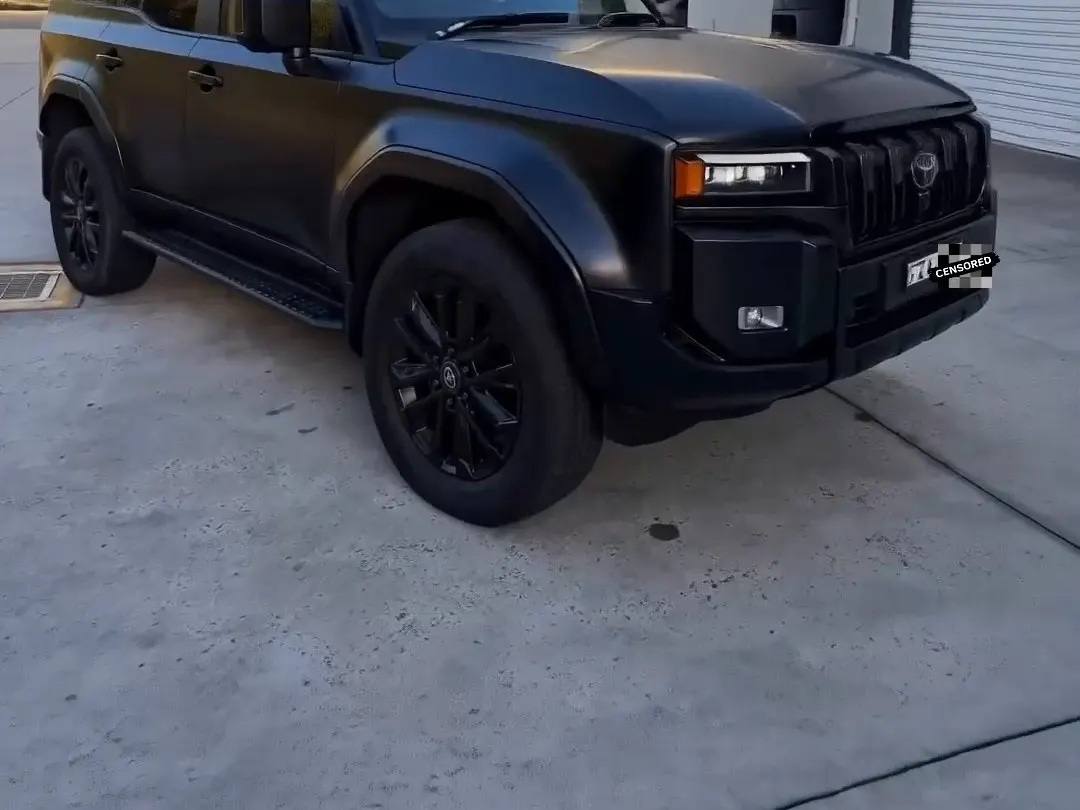
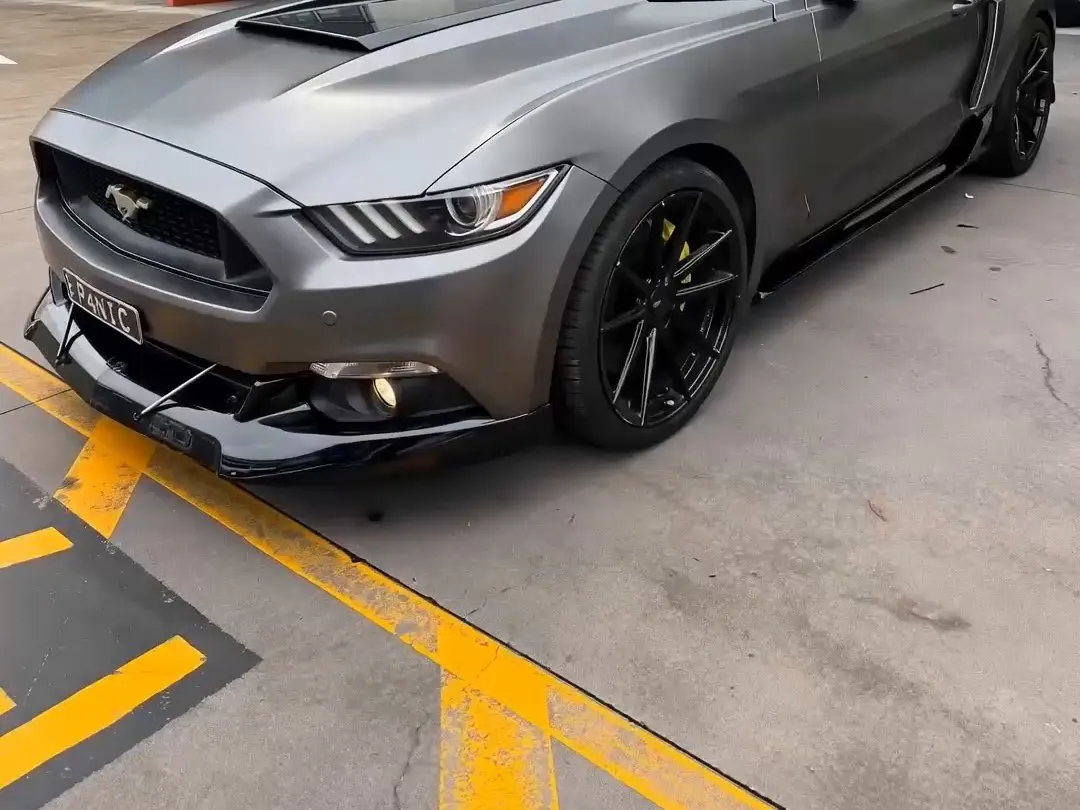
Because tint, film and coatings are all fitted under one roof, it's one booking and one invoice. Paint protection film on the bonnet and bumper is the most common pairing.
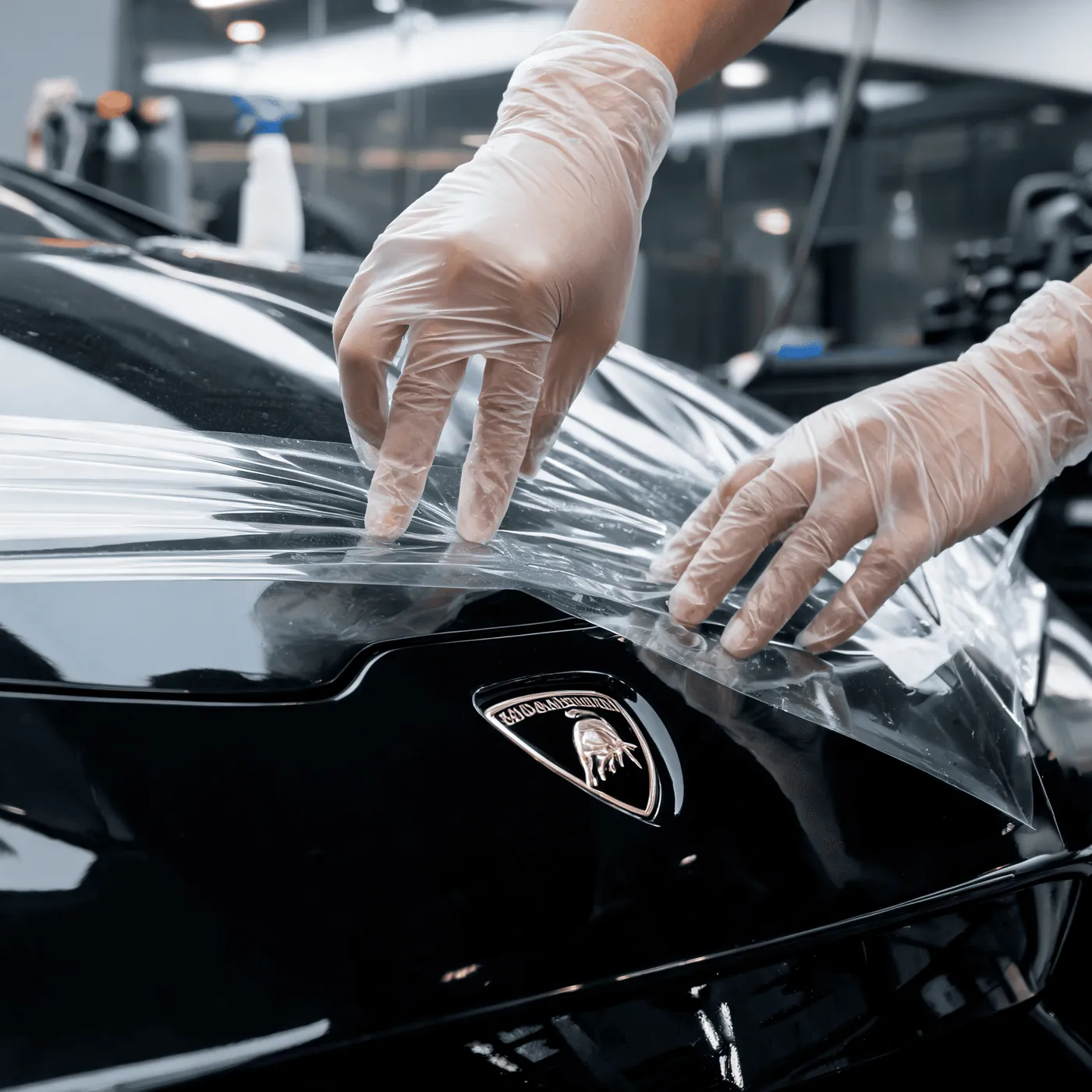
Our service
Paint protection film is a clear, self-healing urethane layer fitted over your paint. It takes the stone chips, grit and scuffs that would mark the panels. We correct the paint, then fit gloss, matte or colour film, from partial front to full body, at Revesby and Condell Park.
Fitting and caring for IR92 film
Top-grade film shows every speck of dust under it, so the fitting environment matters as much as the film. Every car we tint is done in a clean indoor bay, never in a driveway.
Sample on your glass
We meter each window and hold IR92 samples against your own doors, in daylight, so you see the real shade before choosing.
Cut by plotter
The film is cut from a pattern for your exact model, with edges that follow the glass and stop neatly at the seals.
Fit on the inside face
After a thorough clean, the film is laid on the inside of the glass and worked out from the centre. Curved rear screens are heat-shrunk to shape first.
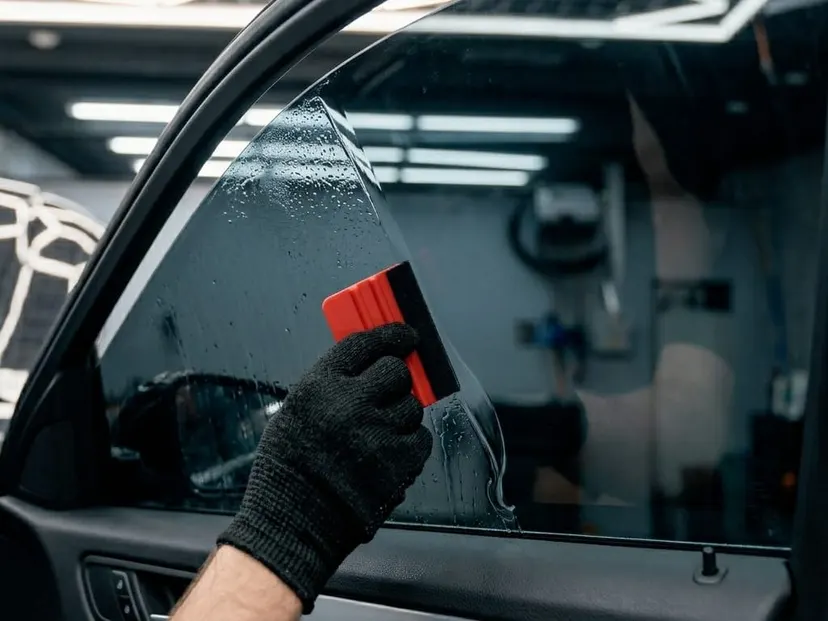
The first days and beyond
Keep the windows up for two days while the water under the film dries; allow more time in cool, damp weather.
Ignore a slight haze or small water spots early on, because they dry out by themselves.
Once the film is clear, clean it with a soft microfibre cloth and water or an ammonia-free cleaner.
Keep suction mounts, stickers and sharp objects off the tinted glass.
Our guide on how long window tint takes to cure goes through the drying time day by day.
What goes into a nano ceramic quote
There's no price list, because the job changes from car to car. You get a fixed written quote for your make and model before anything is cut, at no charge. These are the things that move it:
How many windows the car has, including quarter glass and third-row windows
How curved the rear screen is, since steep curves take longer to shape
Whether old tint has to come off, along with its glue
Optional extras, such as a strip across the top of the windscreen
The grade itself: IR92 is our top film and is priced above IR70 and IR50
Ask us for a written quote and mention you're interested in IR92. We can quote the other grades alongside it, so you can compare them on your own car.
Why drivers choose us for nano ceramic tint
Tinting Xperts has fitted film since 2016, and our team has grown to 30+ fitters across two workshops. Every shade is checked against the NSW limits before fitting, the film is plotter-cut, and the work is backed by a lifetime warranty on window tint. Drop the car off in the morning and, on most tint jobs, it's ready that afternoon.
Come to our Revesby workshop on Milperra Road or our Condell Park workshop on Eldridge Road, Monday to Saturday. Want to see all three grades and every shade in one place first? Our car window tinting page has the overview.
The law
How dark you can go in NSW
We check the shade on your car against these limits before anything is cut.
| Window | Minimum light through (VLT) |
|---|---|
| Front side windows | 35% |
| Rear side and rear windows | 20% |
| Windscreen | A strip across the top only |
Source: Transport for NSW: How do I know my windows and window tint are legal in NSW?. Some vehicles, such as those with medical exemptions, have different rules.
On the day
How the job is done
- 01
Tell us the car
Make, model and what's bothering you — heat, glare, privacy, or all three. Two minutes, no obligation.
- 02
Pick your shade
We walk you through legal limits and show you the film on your own glass before anything is cut.
- 03
We install
Computer-cut patterns, fitted in a dust-controlled bay. Most cars are done in two to four hours.
- 04
Cure and go
Leave the windows up for two days while the film cures. Then it's yours, warranty and all.
See some of our work: photos of a few cars we’ve finished
Areas we serve
Nano Ceramic Window Tinting near you
Customers come to whichever of our two workshops is closer. Pick your suburb for the nearest one and local work.
Questions
Nano Ceramic Window Tinting: common questions
What is nano ceramic window tint?
It's a window film made with ceramic particles ground extremely fine. The small particles keep the film very clear while they absorb and reject infrared heat. It contains no metal or dye, so it doesn't fade or affect signals.
Is nano ceramic tint better than regular ceramic?
It rejects more heat and looks clearer, especially at light shades. Our nano ceramic grade, IR92, stops up to 92% of infrared, against around 70% for our IR70 ceramic. Whether the step up is worth it depends on how hot your car gets and how you drive.
Does nano ceramic tint work at a light shade?
Yes, that's its main strength. The ceramic targets infrared, which you can't see, so the film doesn't have to be dark to keep heat out. A light IR92 film can still make a noticeable difference to the cabin.
Is nano ceramic tint good for night driving?
It's the clearest film we fit, so it adds very little haze under headlights and street lights. The shade still matters most at night. If you do a lot of night driving, a slightly lighter front shade in IR92 keeps the view crisp.
Does nano ceramic tint interfere with my phone or GPS?
No. There's no metal in the film, so radio signals pass straight through. Phone calls, GPS, keyless entry and toll tags all work normally.
Is nano ceramic tint legal in NSW?
The film type is legal; the shade is what the law limits. Front side windows must let through at least 35% of light, and windows behind the driver at least 20% with a mirror on each side. We meter your glass so the finished window passes.
Can I put nano ceramic tint on my windscreen?
In NSW, film on the windscreen is limited to a strip across the top of the glass. We can fit that strip in IR92 to cut glare from the sun overhead. The rest of the windscreen has to stay clear of film.
How long does nano ceramic tint last?
It's built to last the life of the car, because its colour doesn't come from dye that breaks down in the sun. Any bubbling, peeling or purpling is covered by our lifetime tint warranty, and we'd refit the film.
How long does fitting nano ceramic tint take?
Most cars are done in two to four hours, so it's usually a same-day job. Larger vehicles and cars that need old film stripped take longer. We'll give you a time when you book.
Guides
Read before you book
Plain-English guides on nano ceramic window tinting, from the people who fit it.
Comparison · Window Tinting
Ceramic vs carbon tint: which window film keeps your car cooler?
Both films block UV, hold their colour and leave your phone signal alone, so the real difference is how much heat each one stops at a legal shade.
· 12 min read
Guide · Window Tinting
Window tint percentages: what 5%, 20%, 35%, 50% and 70% really look like
What each tint shade looks like by day and at night, which combinations are legal in NSW, and why darkness and heat rejection are two different things.
· 10 min read
Guide · Window Tinting
How long does window tint take to cure? What to expect, day by day
When you can wind the windows down, why new tint can look hazy or bubbly for a while, and how weather and film type change the wait.
· 11 min read


Visit us
Two workshops, one team
Tinting Xperts Revesby
Unit 28/172 Milperra Road, Revesby NSW 2212
Mon – Sat · 9:00am – 5:00pm
Tinting Xperts Condell Park
141 Eldridge Road, Condell Park NSW 2200
Mon – Sat · 9:00am – 5:00pm
Reviewed by Mohammad Habboushi, Founder.