
Window Tinting
Carbon Ceramic Window Tint in Sydney: The Deep Matte Look
Carbon ceramic window tint is our IR50 film: a deep, matte, non-reflective black that holds its colour, with a ceramic layer that rejects around 50% of infrared heat. It's the best-value way to get a dark, even, legal look on any car, fitted in-house with a lifetime tint warranty.

What it is
What carbon ceramic window tinting gets you
Carbon ceramic window tint is a film that pairs carbon, for a deep matte black that never fades, with ceramic, which rejects around 50% of infrared heat. At Tinting Xperts it's our IR50 grade: the darkest-looking, best-value film we fit, set to shades that pass in NSW.
People choose it for the way the car looks first. The glass goes an even, flat black that sits well against any paint colour and doesn't throw back a mirror shine. Then they notice the cabin on a hot afternoon, because the ceramic content is doing work the old dyed films never could.
Below you'll find what the film is made of, how it looks from the kerb, what it does with heat, who it suits, and how we fit and look after it. If you're still deciding between grades, there's a short section on when it makes sense to step up.
- Shade advice for each window, metered on your own glass
- IR50 carbon ceramic film plotter-cut to your make and model
- Rear screen heat-formed so the film sits flat to the edges
- Old or purple tint stripped and the glue cleaned off, where needed
- Fitted indoors at our Revesby or Condell Park workshop
- A lifetime tint warranty covering bubbling, peeling and purple fade
What carbon ceramic window tint is made of
Window film is a thin polyester laminate. What sets one grade apart from another is the material carried inside it. Older budget films used dye to colour the plastic. Carbon ceramic uses fine carbon particles for the colour and adds ceramic particles to deal with heat.
Carbon gives the film its deep, flat black. Carbon is very stable in sunlight, so the colour doesn't drift towards purple or brown over the years.
Ceramic absorbs and rejects a share of the infrared in sunlight, the part you feel as warmth through the glass.
No metal. Nothing in the film reflects radio waves, so your phone, GPS, keyless entry and toll tag behave exactly as before.
A scratch-resistant hardcoat on the inside face, so everyday cleaning and the odd brush from a bag don't scuff it.
The result is a film that looks like the dark tint people have wanted for decades, but behaves very differently once it's been on the car through a few Sydney summers.
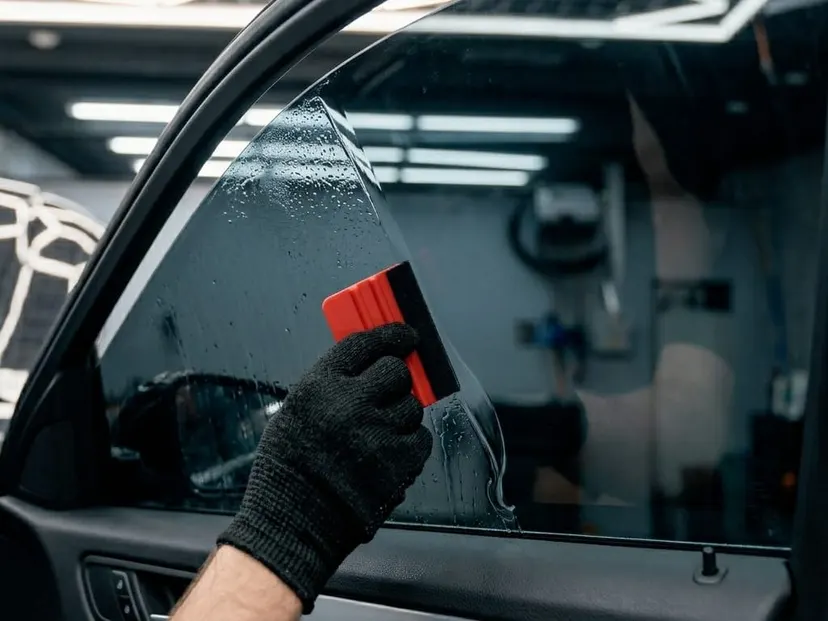
The finish: deep, matte and non-reflective
Most of the questions we get about this film are about the look, so here's what to expect when you walk back to the car.
From outside the car
Carbon ceramic reads as a soft, even black rather than a glossy one. Light doesn't bounce off it in a bright sheet, so the glass looks solid and deliberate, a bit like smoked trim. On a black, grey or dark blue car it blends into the paint and the pillars. On a white or silver car it gives a sharp, clean contrast.
From the driver's seat
Inside, the view out is a neutral, cool grey with no coloured cast. Because the film isn't reflective, you don't get your own dashboard mirrored back at you at night. That matters most on the front doors, where you check mirrors and kerbs.
Why it doesn't look like a cheap tint job
A cheap tint job is easy to spot: a purple tinge, a slightly glossy sheen, and edges that stop short of the seals. The matte carbon finish solves the first two. Plotter-cut patterns and careful fitting solve the third. Put together, the car looks factory-finished rather than modified.
How much heat carbon ceramic film keeps out
Our IR50 grade rejects around 50% of infrared heat, and like every film we fit it blocks almost all UV. That's a real, noticeable change from untinted glass. The seats and the steering wheel are less scorching when you get in, and the air conditioning pulls the cabin down to temperature sooner.
It's worth being clear about what the number means. Infrared rejection is about the warmth carried in sunlight, not how dark the film looks. A darker shade of carbon ceramic cuts more glare and adds privacy, but the heat performance comes mainly from the ceramic content. That's why our two higher grades can stop more heat even at a lighter shade.
Where you'll feel it most
On the side of the car that faces the afternoon sun, where bare skin used to feel the heat through the glass.
In the back seat, where children and passengers sit in the sun with no visor to pull down.
After the car has been parked, because the dash and seats soak up less heat while you're away.
On long drives west into a low summer sun, where glare and warmth arrive together.
Colour that stays: no purple, no fade
If you've ever owned a car with old tint, you've probably seen the purple windows and the bubbles across the rear screen. That happens when the dye in a budget film breaks down in UV. Carbon doesn't break down that way, so the colour you pick on day one is the colour you'll still have years later.
| Criterion | Old dyed tint | Carbon ceramic (IR50) |
|---|---|---|
| What colours the film | Dye soaked into the plastic | Stable carbon particles |
| Ageing in the sun | Fades, then turns purple or brown | Holds its colour for the life of the film |
| Heat rejection | Mostly cuts light, not infrared | Around 50% of infrared rejected |
| Look from outside | Often a slight gloss | Deep, matte and even |
| Phone and GPS signal | Unaffected | Unaffected, with no metal layer |
| Our warranty | We don't fit it | Lifetime, against bubbling, peeling and purpling |
That stability is also why we're comfortable putting a lifetime warranty on it. If the film bubbles, peels or turns purple, we redo it, and the warranty comes in writing with your invoice.
Who carbon ceramic tint suits
Carbon ceramic is the grade we suggest most often to people who want a dark, uniform look and sensible value. It suits you if most of these sound right:
You care about the look first and want the darkest finish the law allows, without shine.
You're replacing old purple tint and never want to deal with fading again.
You drive a daily car or a family SUV and want a solid heat and UV improvement without paying for the top grade.
Your car has factory privacy glass in the back and you want the front doors to match it as closely as the law allows.
You're selling soon and want the car to present well, with a film that won't let the next owner down.
When it's worth stepping up a grade
If heat is the main reason you're tinting, consider ceramic window tinting, our IR70 grade, which stops noticeably more infrared with a neutral tone. If you do a lot of night driving, or you'd rather keep a lighter shade on the front doors, nano ceramic window tint gives the clearest view with the most heat rejection we offer.
Our guide to ceramic vs carbon tint goes through the trade-offs in detail. Plenty of customers mix grades too, with a higher grade on a sunny windscreen strip and carbon ceramic on the sides.
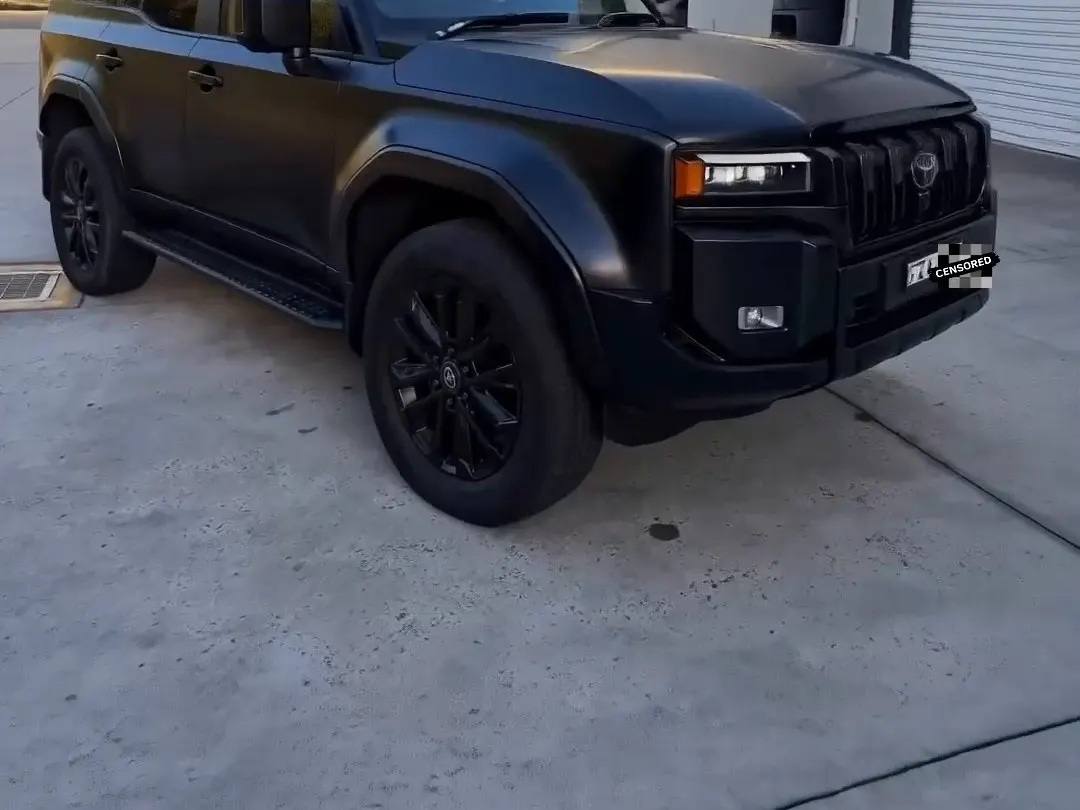
Picking a legal shade for a dark, even look
With carbon ceramic, the shade is the decision people spend longest on. The goal is usually simple: as dark as possible, but legal, and even from one end of the car to the other.
NSW law sets a floor of 35% light through the front side windows. Behind the driver the floor is 20%, provided the car has a mirror on each side. Those limits count the glass and the film together. The legal table lower on this page covers every window, and our guide to window tint percentages shows how each shade looks.
Matching the front to the back
Because the front doors have to be lighter than the back, an all-round black look is about matching tone rather than numbers. Using the same carbon ceramic film on every window keeps the colour consistent, so the step from front to rear reads as a gentle change, not two different films.
Cars with dark factory rear glass
Many SUVs and wagons already have privacy glass behind the driver. On those, we meter each window and often fit carbon ceramic only on the front doors, or a light film over the factory glass. The aim is a side profile that looks even, while every window stays within the limit.
Fitting carbon ceramic film properly
A matte film is less forgiving than a glossy one, because dust or a creased edge shows. Here's how we keep it clean.
Meter and inspect the glass
We read the factory glass on each window, check for chips and old film, and confirm the shades you've chosen will pass before anything is cut.
Plotter-cut to your car
The film is cut by machine from a pattern for your exact make and model, so the edges follow the glass and no blade touches your rubbers.
Clean and fit indoors
Each window is cleaned in a dust-controlled indoor bay, then the film goes on the inside face and is squeegeed out from the centre.
Heat-form the rear screen
The rear screen curves two ways, so we shrink the film to its shape first. That's how it lies flat with no fingers at the edges.
Most cars are done in two to four hours, so you can usually drop the car off in the morning and drive home the same day. Allow longer if old tint has to come off first.
Living with carbon ceramic tint
New film sits on a thin layer of moisture that takes some time to dry out. Treat it gently for the first week and it will look the same for years.
Keep the windows up for two days, and a little longer in cold or damp weather.
Ignore light haze or small water spots early on. They dry out by themselves, so don't push on them.
Clean with a soft microfibre cloth, using plain water or a glass cleaner without ammonia.
Keep suction mounts and stickers off the tinted glass, and don't pick at a corner.
Our guide on how long window tint takes to cure explains what the film is doing during those first days.
What affects the cost of carbon ceramic tint
Carbon ceramic is the most affordable of our three grades, but we still quote each car on its own. These are what change the figure for your car:
The number of windows, including quarter glass and the extra panes on wagons, vans and seven-seaters.
The shape of the rear screen, since a deeply curved one takes longer to heat-form.
Removing old film, which means peeling it, cleaning off the glue and protecting the demister lines.
Mixing grades, if you choose a higher grade for some windows.
You'll get a written quote for your make and model before any film is cut, and it doesn't change on the day. Request a carbon ceramic tint quote and tell us how dark you'd like the car to look.
Why Sydney drivers choose us for carbon ceramic tint
We've fitted window film every working day since 2016, and our 30+ fitters work from our Revesby workshop and our Condell Park workshop, Monday to Saturday. Every car is tinted indoors, every shade is checked against the NSW limits before fitting, and the tint carries a lifetime warranty.
Plenty of customers book other work at the same visit. A dark, matte tint pairs well with a satin or gloss colour change from our car wrapping team, and a new car often gets film on the front at the same time.
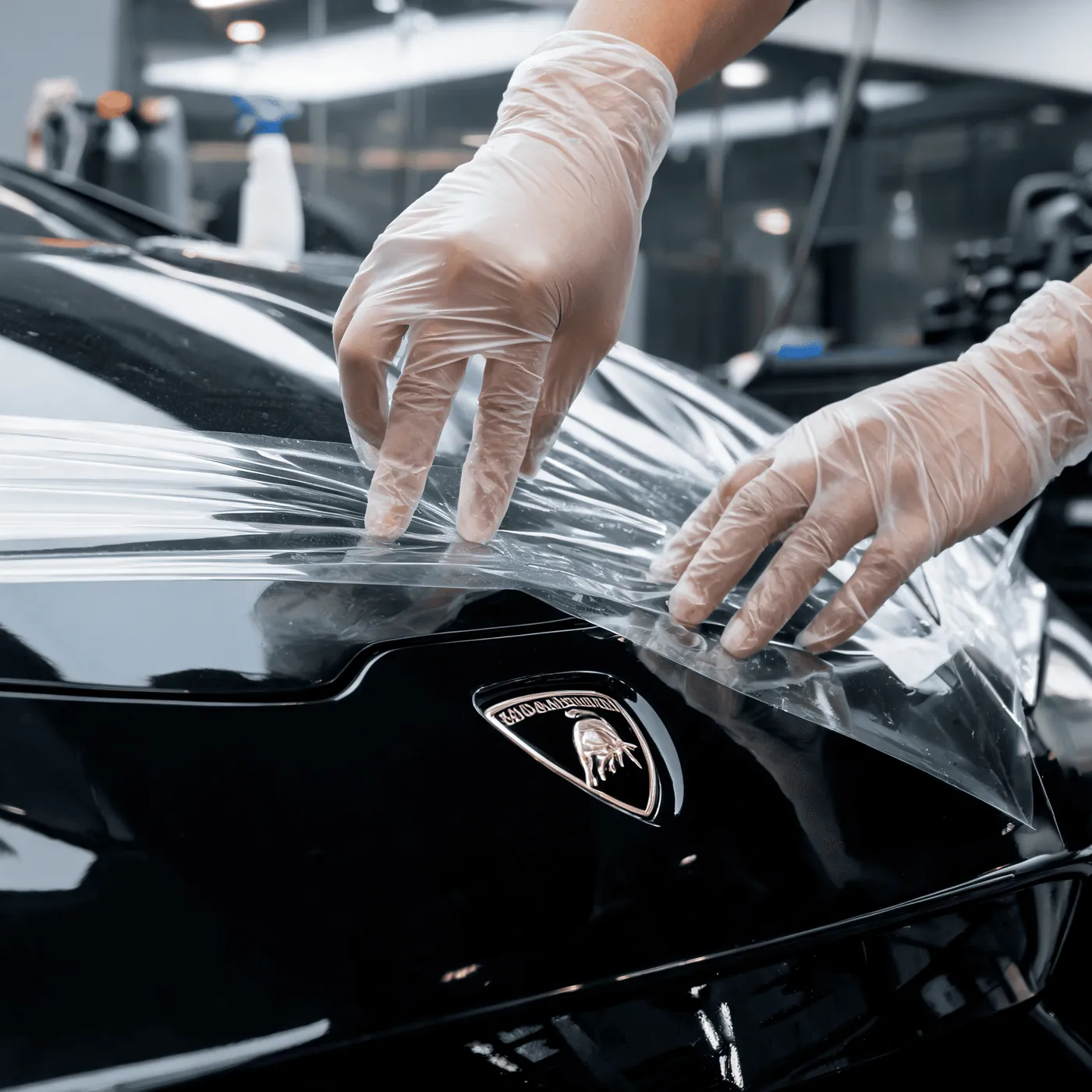
Our service
Paint protection film is a clear, self-healing urethane layer fitted over your paint. It takes the stone chips, grit and scuffs that would mark the panels. We correct the paint, then fit gloss, matte or colour film, from partial front to full body, at Revesby and Condell Park.
The law
How dark you can go in NSW
We check the shade on your car against these limits before anything is cut.
| Window | Minimum light through (VLT) |
|---|---|
| Front side windows | 35% |
| Rear side and rear windows | 20% |
| Windscreen | A strip across the top only |
Source: Transport for NSW: How do I know my windows and window tint are legal in NSW?. Some vehicles, such as those with medical exemptions, have different rules.
On the day
How the job is done
- 01
Tell us the car
Make, model and what's bothering you — heat, glare, privacy, or all three. Two minutes, no obligation.
- 02
Pick your shade
We walk you through legal limits and show you the film on your own glass before anything is cut.
- 03
We install
Computer-cut patterns, fitted in a dust-controlled bay. Most cars are done in two to four hours.
- 04
Cure and go
Leave the windows up for two days while the film cures. Then it's yours, warranty and all.
See some of our work: photos of a few cars we’ve finished
Areas we serve
Carbon Ceramic Window Tinting near you
Customers come to whichever of our two workshops is closer. Pick your suburb for the nearest one and local work.
Questions
Carbon Ceramic Window Tinting: common questions
Is carbon ceramic tint better than plain carbon tint?
For heat, yes. Plain carbon film gives the same matte, fade-free look but rejects less infrared. Carbon ceramic adds ceramic particles that stop around 50% of infrared heat while keeping the carbon finish.
Does carbon ceramic tint look darker than ceramic tint?
At the same shade, carbon ceramic tends to look deeper and flatter from outside, while our ceramic grade looks more neutral. The legal limit on each window is the same for both films.
Will carbon ceramic tint turn purple?
No. Purple tint comes from dye breaking down in sunlight, and this film is coloured with carbon instead. It's covered by our lifetime warranty against bubbling, peeling and purpling.
Is carbon ceramic tint reflective or mirrored?
No. It has a matte, non-reflective finish and contains no metal. From outside it looks like a soft, even black rather than a mirror.
Can I see out clearly at night with carbon ceramic tint?
At legal shades, most drivers find the view out at night comfortable. Because the film isn't reflective, it doesn't mirror the dash back at you. If you drive a lot at night or wear glasses, ask about a lighter front shade or a higher grade.
Does carbon ceramic tint interfere with phone or GPS signal?
No. There's no metal in the film, so phone calls, GPS, keyless entry and toll tags work normally. That's one of the main reasons carbon and ceramic films replaced metallised tint.
How long does carbon ceramic tint take to fit?
Most cars take two to four hours, so you can usually collect the car the same day. Large SUVs and cars with old tint to strip take longer, and we confirm the time when you book.
Is carbon ceramic tint worth it over cheaper dyed film?
For most drivers, yes. Dyed film tends to fade, bubble and turn purple, and then it has to be stripped and replaced. Carbon ceramic keeps its colour, rejects real infrared heat and carries our lifetime warranty.
How much does carbon ceramic tint cost?
It's the most affordable of our three grades, but the cost depends on the number and shape of your windows and whether old film has to come off. We give you a free written quote for your make and model before work starts.
Guides
Read before you book
Plain-English guides on carbon ceramic window tinting, from the people who fit it.
Comparison · Window Tinting
Ceramic vs carbon tint: which window film keeps your car cooler?
Both films block UV, hold their colour and leave your phone signal alone, so the real difference is how much heat each one stops at a legal shade.
· 12 min read
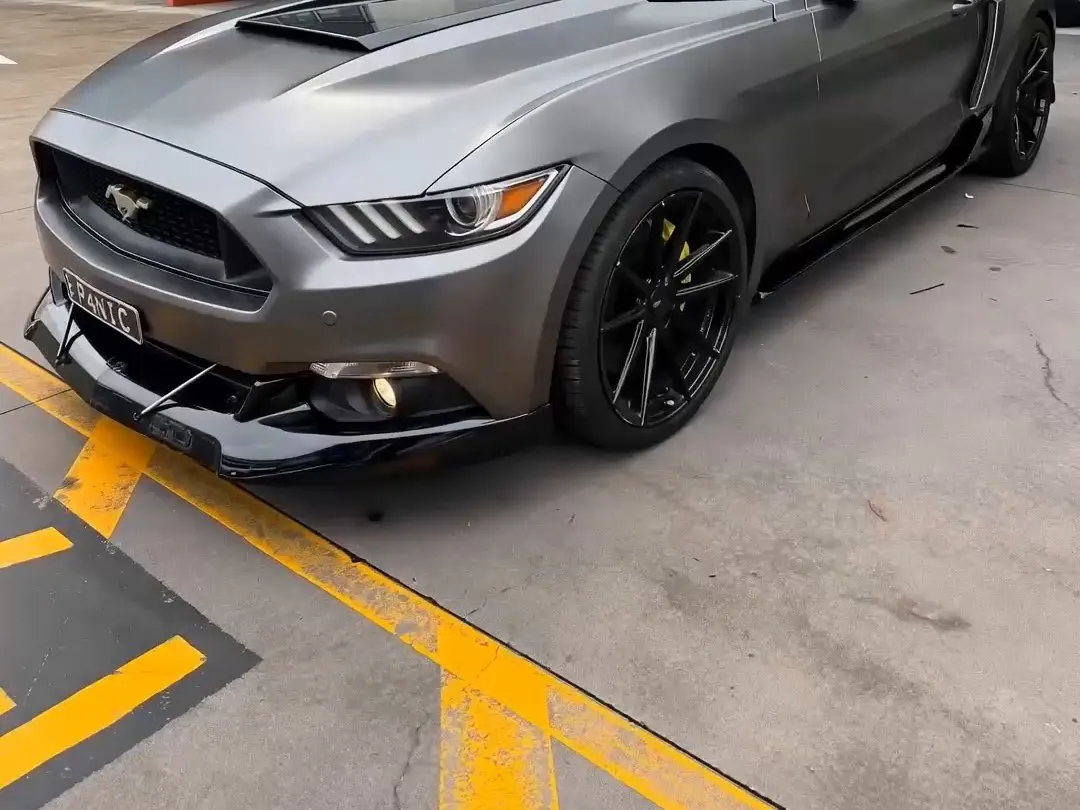
Guide · Window Tinting
Window tint percentages: what 5%, 20%, 35%, 50% and 70% really look like
What each tint shade looks like by day and at night, which combinations are legal in NSW, and why darkness and heat rejection are two different things.
· 10 min read
Guide · Window Tinting
How long does window tint take to cure? What to expect, day by day
When you can wind the windows down, why new tint can look hazy or bubbly for a while, and how weather and film type change the wait.
· 11 min read


Visit us
Two workshops, one team
Tinting Xperts Revesby
Unit 28/172 Milperra Road, Revesby NSW 2212
Mon – Sat · 9:00am – 5:00pm
Tinting Xperts Condell Park
141 Eldridge Road, Condell Park NSW 2200
Mon – Sat · 9:00am – 5:00pm
Reviewed by Mohammad Habboushi, Founder.